You can sponsor a tournament. You can't sponsor relevance

by

6 min for reading

You can sponsor a tournament. You can't sponsor relevance

The 2026 FIFA World Cup is over, and brands are counting the return from one of sport’s most expensive sponsorship platforms. Yet one of the tournament’s most visible brands was one FIFA tried to hide.

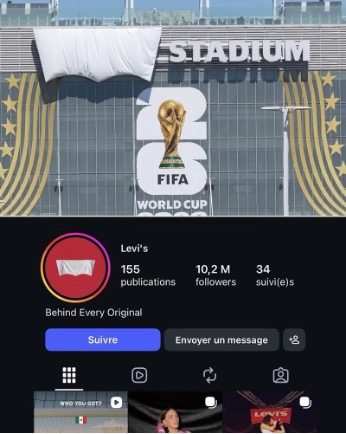
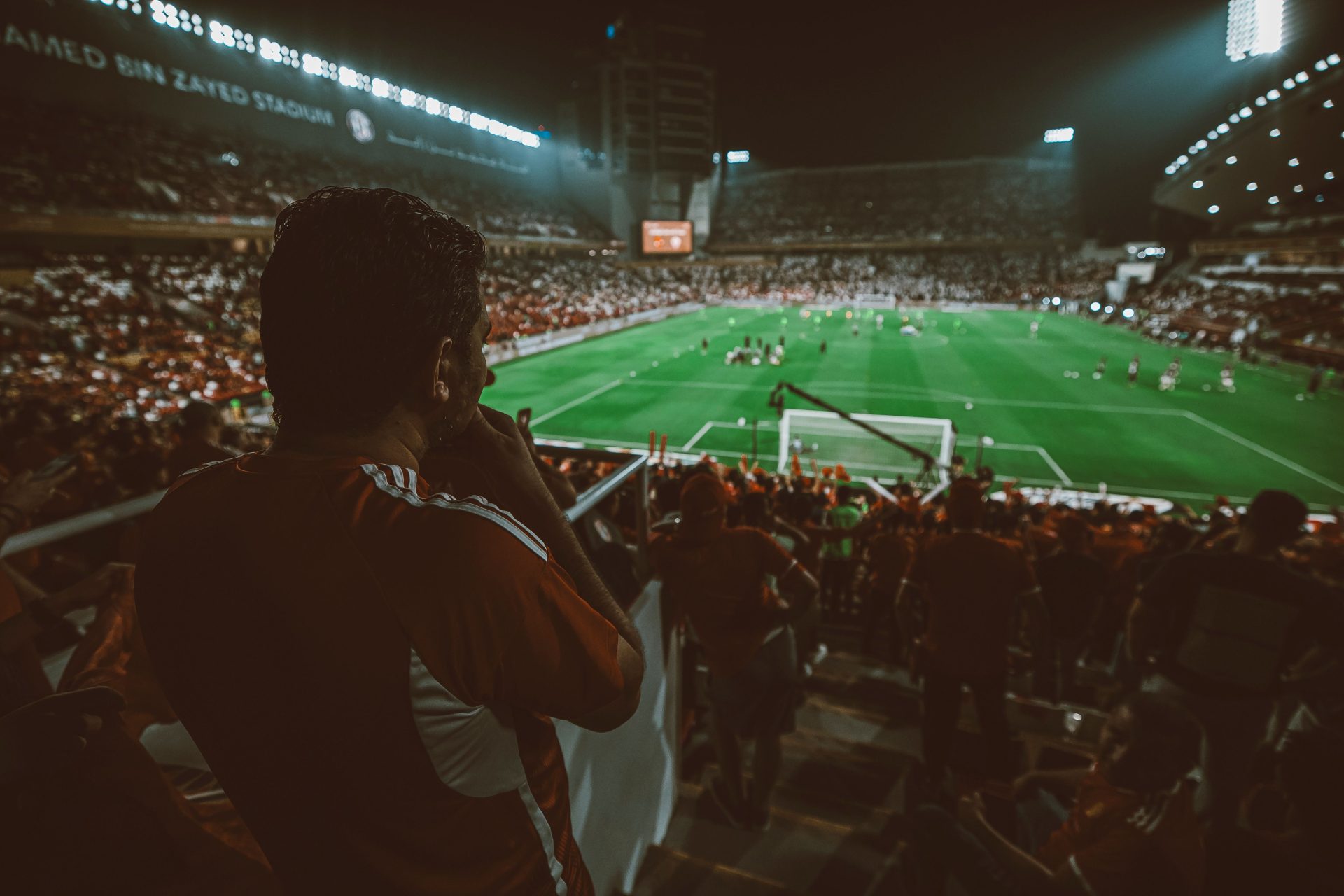
Levi’s owns the naming rights to Levi’s Stadium in Santa Clara through a 10-year, $170 million deal signed in 2024. As the brand was not an official FIFA partner, organisers renamed the venue “San Francisco Bay Area Stadium” and covered its signage under clean-stadium rules.

The name disappeared. The Batwing did not. The white covering followed the outline of Levi’s distinctive logo, leaving the brand instantly recognisable.

Levi’s joined the joke. It changed its Instagram profile picture, carried the covered-logo treatment into stores from London to Sao Paulo and used it on a dedicated collection. According to the company, the campaign generated around one billion impressions and became its most viewed, shared and commented-on social activation to date. One Instagram post received roughly 2.5 million likes.

A few weeks later, Norwegian Air entered the conversation without buying a single tournament right.

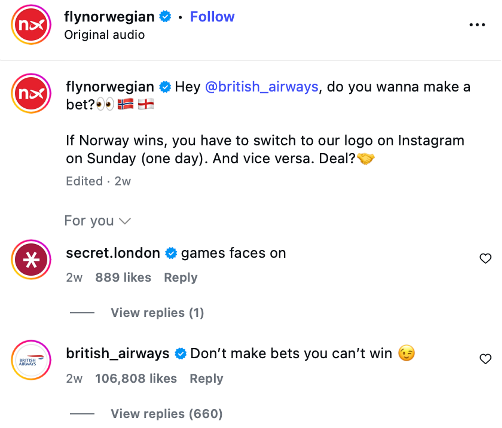
Before the England-Norway quarter-final, it challenged British Airways to a public bet: the airline representing the losing country would use its rival’s logo as its Instagram profile picture for 24 hours.

British Airways eventually accepted. Other airlines joined the comments, fans picked sides and, after England’s 2-1 win, Norwegian kept its word.


Visualizza questo post su Instagram

Un post condiviso da Norwegian (@flynorwegian)

When a Bet Becomes a Viral Moment

Nearly 320,000
Likes on Norwegian’s original post, compared with the 400–1,500 its content would typically receive.
Around 300,000
Average likes generated by the posts published during the exchange with British Airways.
Over 1 million
Likes on the hero “lost bet” post, while British Airways’ first response surpassed 105,000.

Neither airline was an official FIFA partner. Both still became part of the tournament’s cultural story through timing, rivalry and an idea people wanted to follow.

Official rights still matter. They bring legitimacy, protected intellectual property, access to players and venues, hospitality, data and customer experiences that outsiders cannot reliably reproduce. What they do not provide is a reason for people to care.

Access is valuable. Relevance still has to be earned.

When official became difficult to recognise

Sport remains one of the few places where brands can join a genuinely shared experience. Major events bring huge audiences together at the same time, with an emotional intensity most campaigns cannot create on their own.

Fans are also open to the brands that support sport. Nielsen’s 2025 Global Sports Report found that 67% of football fans considered sponsoring brands more appealing, compared with 54% of the general population.

Yet official status is often hard to remember. A Sellex study of Euro 2024 found that 31% of fans correctly named Adidas as the tournament’s kit sponsor, while 30% credited Nike, which held no rights. In the airline category, 17% correctly identified Visit Qatar, but 25% named Emirates. More than a quarter did not know which brands were official.

The fees make that gap difficult to ignore. Industry estimates place FIFA’s top global partnerships at $150 million to $200 million for a four-year cycle. Second-tier rights for the 2026 World Cup have reportedly reached $80 million to $100 million, before activation costs.

Brands are paying huge sums to reach fans who may not remember who paid.

Rights create access. They don’t create the idea.

A sponsorship contract opens doors. It gives a brand permission to use protected assets and enter spaces that would otherwise remain closed. It does not supply the timing, point of view or creative idea that makes the presence meaningful.

Levi’s did not treat the covered signage as a grievance. It saw the humour and used the restriction to prove how distinctive its identity had become.

The campaign asked a simple question: would people still recognise Levi’s without the name? They did.

The idea still required production, approvals and fast decisions across markets. Its value came from reading the moment quickly and turning a constraint into a story.

Norwegian and British Airways worked for a different reason. National airlines already carry the symbolism of their countries, and the brands were direct competitors. The bet felt like a natural extension of the match rather than a campaign trying to borrow its language.

People rarely share a sponsorship announcement because a company is proud of it. They share something that entertains them, represents them or gives them a role in the moment.

Active versus passive, not official versus unofficial

The useful distinction is not official versus unofficial. It is active versus passive.

Passive sponsors place their identity around sport through logos, media, tickets and hospitality. The presence may be large, but it is often interchangeable. Remove the branding and almost any competitor could take its place.

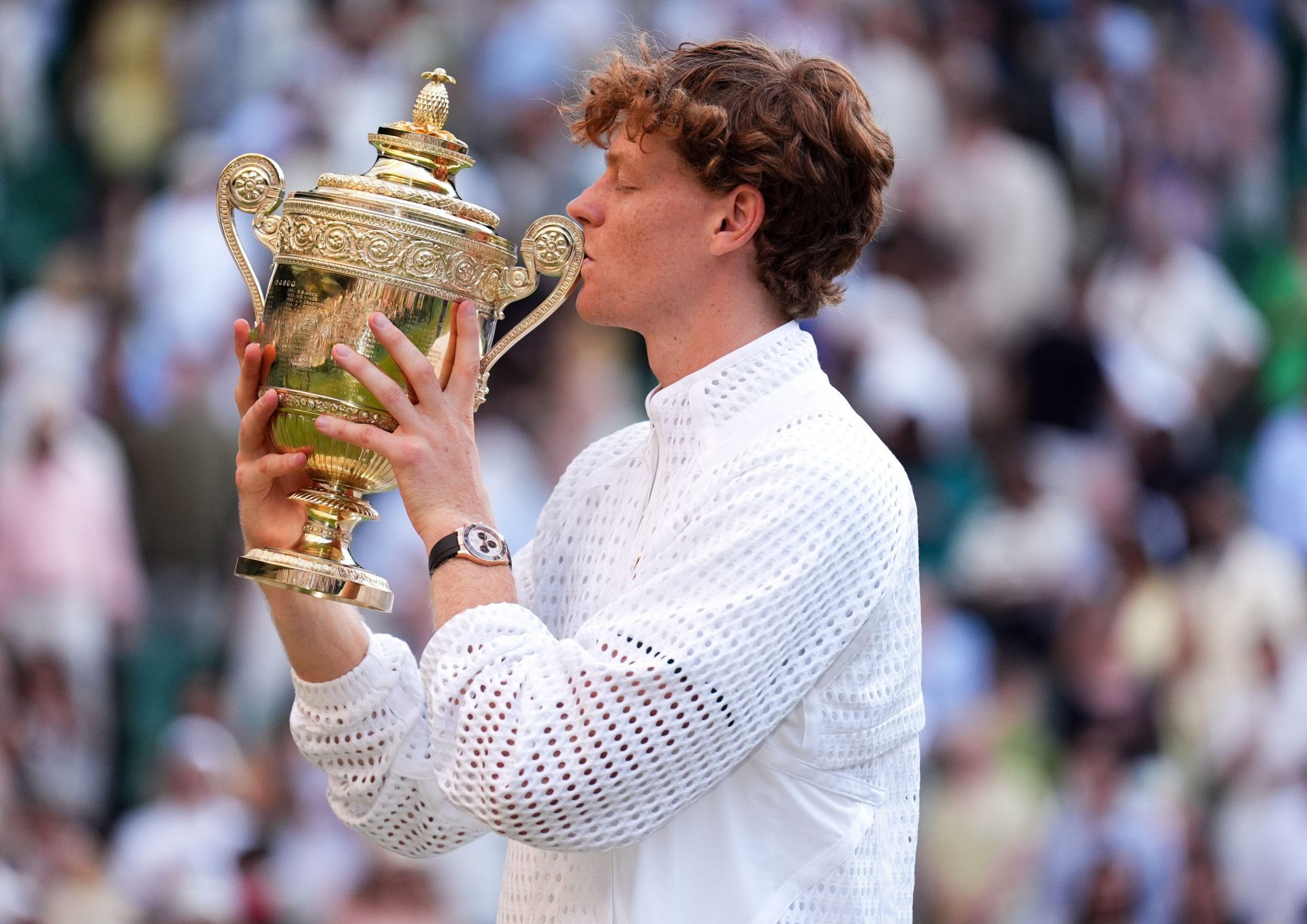
Active sponsors use their access to shape the experience. Ralph Lauren has been Wimbledon’s Official Outfitter since 2006 and creates the uniforms worn by on-court officials and ball staff. Rolex, the tournament’s Official Timekeeper since 1978, has made its clocks part of Wimbledon‘s visual language. Visa‘s Olympic partnership is built into the way spectators pay and transact at the Games.

credits: perpetualpassion.com

These partnerships work because the role is coherent, useful and sustained over time. Official rights can support relevance, but only when the brand does something meaningful with them.

Start with the idea, not the contract

Many sponsorships are negotiated as commercial deals first. Communications and creative teams arrive later, once the assets are fixed and the announcement is already scheduled. Their brief becomes “get coverage for our new partnership”, even though the announcement itself matters mainly to the two organisations involved.

The communications question belongs at the start: what will this partnership allow the brand to say, do or prove that it could not otherwise?

That means looking beyond the match. What are fans already talking about? Which rituals surround the event? Where does the brand have a credible role? What can it contribute that another sponsor could not?

Good PR turns an activation into something people choose to pass on.

From share of voice to share of the story

Sponsorship is still measured through screen time, logo exposure, impressions, media value and awareness. Those metrics show how much attention was available, but not always what that attention meant.

A brand can appear in millions of frames without entering a meaningful conversation. Alongside share of voice, it should ask whether it earned a share of the story.

Did people repeat the idea without being paid?

Did journalists cover it because it was interesting, rather than because a press release arrived?

Did it change how people experienced the event?

Would the audience still recognise the brand if the logo disappeared?

Levi’s passed that final test literally. Most sponsorships would not. Once the logo is removed, little remains that belongs unmistakably to the brand.

Before buying an expensive rights package, brands should move past “How visible will we be?” and ask “What will make this unmistakably ours?

The question before signing

Official sports sponsorship remains valuable. As media fragments, a shared live audience becomes rarer and more attractive. Rights are the entry point, not the strategy.

Levi’s turned exclusion into an asset because its brand was strong enough to survive without its name. Norwegian and British Airways showed how a well-timed idea can enter the same news cycle as brands with nine-figure packages. Ralph Lauren, Rolex and Visa show what official partners can build when their role becomes part of the experience.

Paying for access is the easy part. Before signing, every brand should know what it plans to do once it gets in.

Luciana Ianari

Learn more

Communications strategist with almost a decade of combined in-house and agency experience across markets and industries. Formerly led the UK communications department at Campari Group, overseeing brand communications and managing local corporate and institutional activity for the market. Industry commentator, guest lecturer, and judge for international PR awards.

You might also be interested in:

As AI reshapes how people search and evaluate brands, community-driven platforms are becoming increasingly strategic. This is why Superhumans developed "Reddit: The Missing Opportunity" a proprietary deep dive exploring how communities evolving into new layers of discoverability, relevance and trust.