Instagram’s community is “asleep” and Instants is trying to wake it up

by

6 min for reading

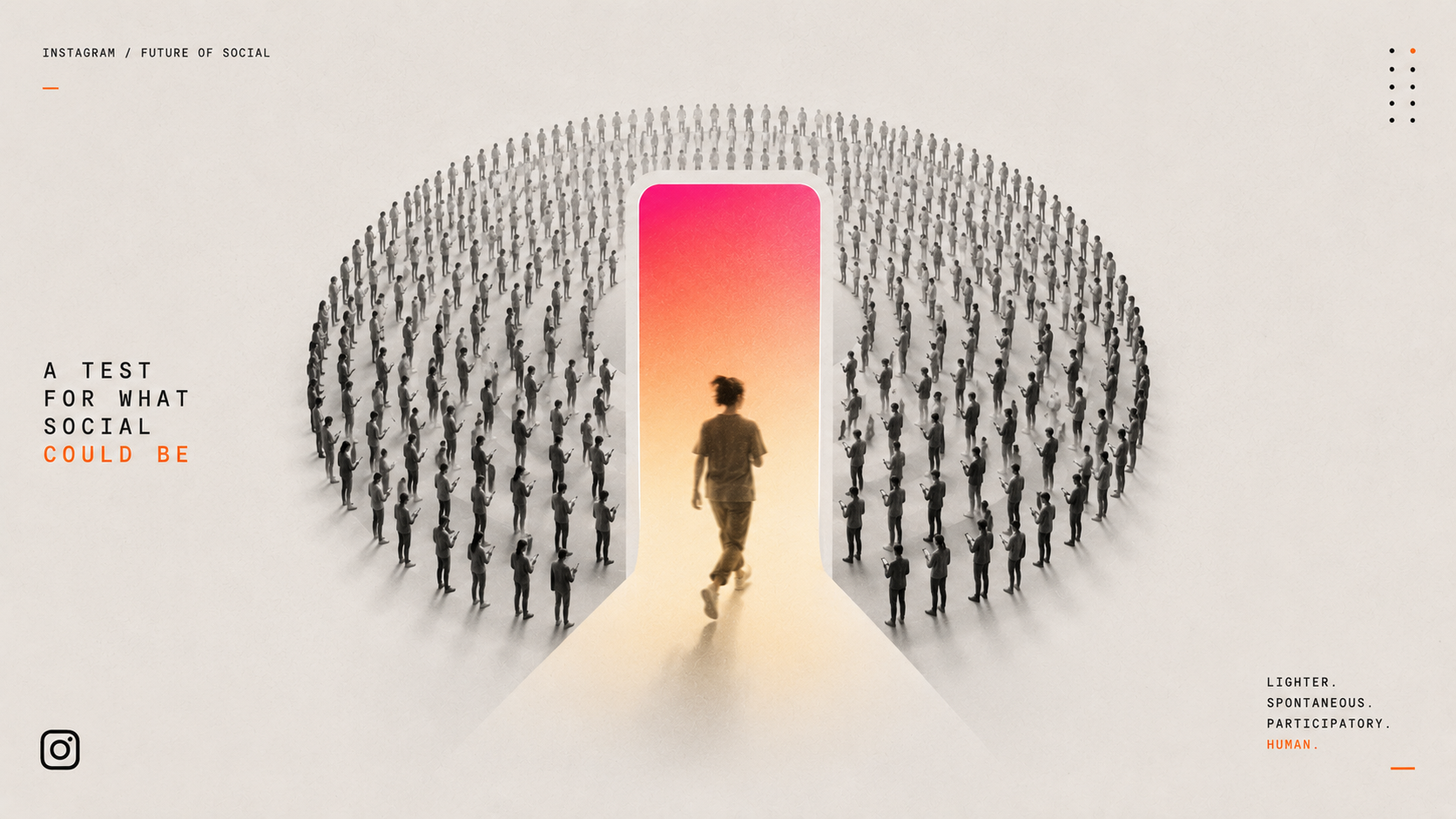
Instagram keeps growing in numbers, but it’s losing something more valuable: participation.

Instagram is losing engagement: active users, passive behavior

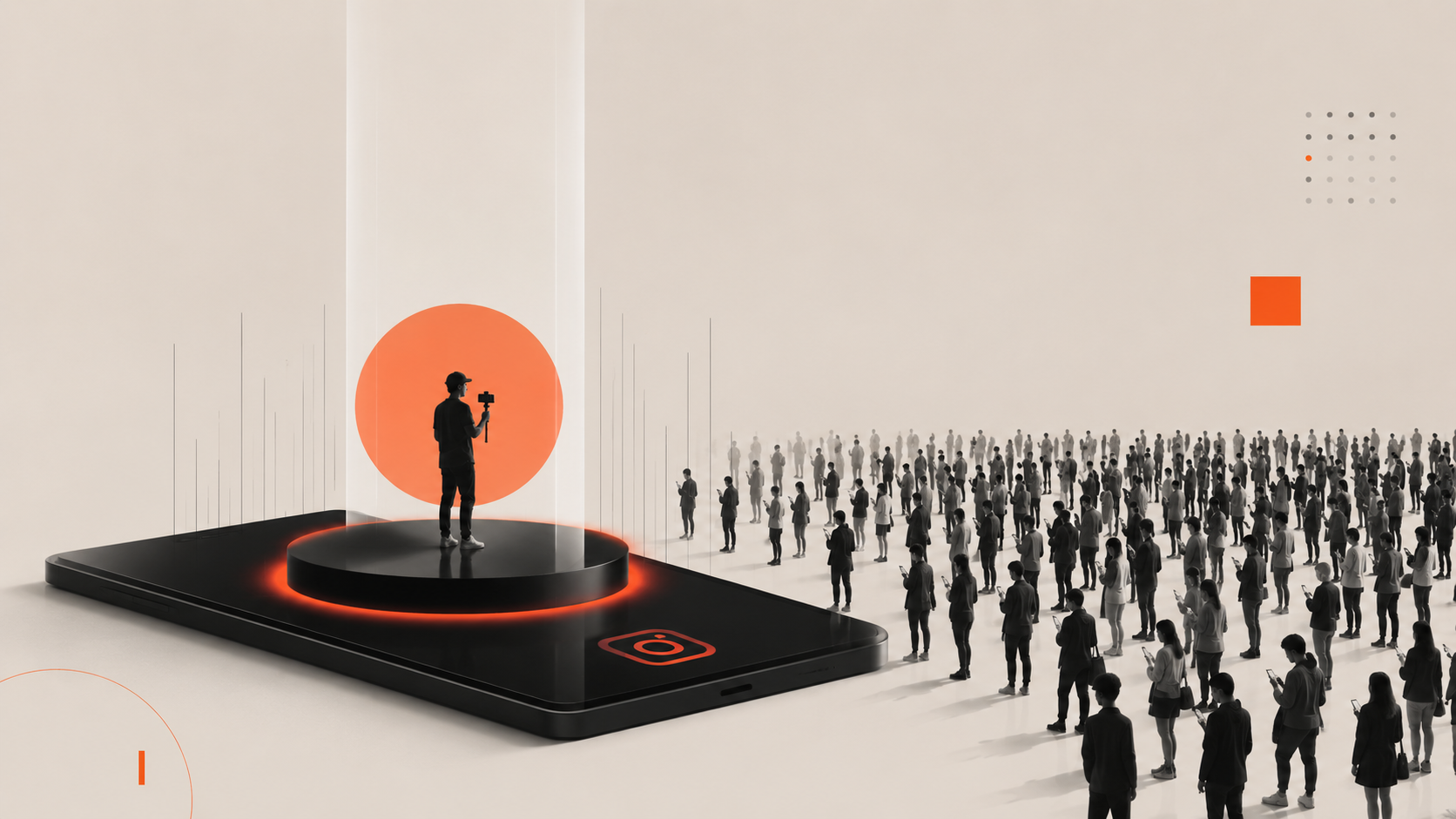
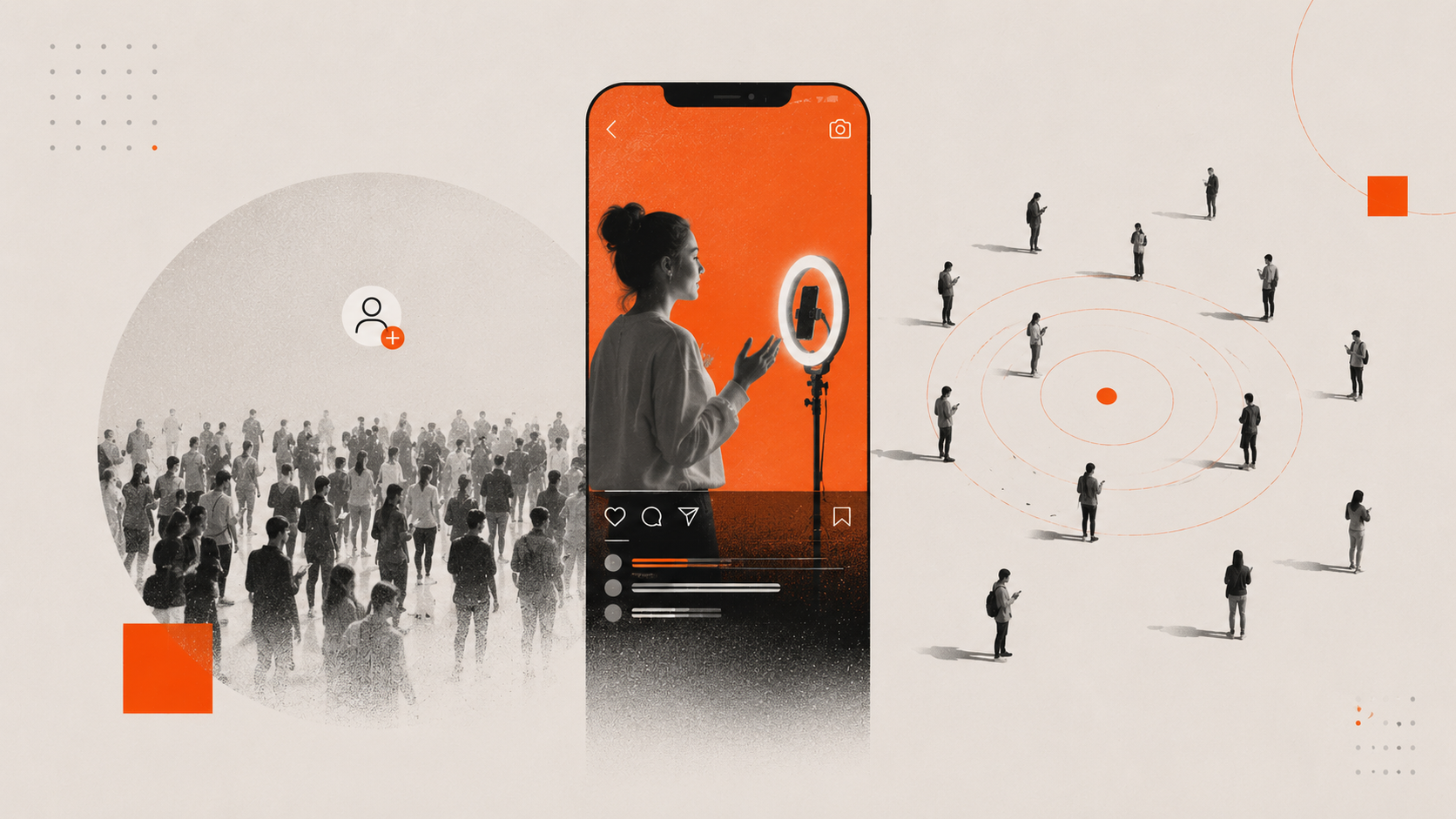
The picture is clear. Most users are no longer posting; they’re watching, scrolling, consuming. Content production has consolidated into the hands of a smaller group of increasingly professional creators, while the broader user base has shifted into a passive role. The result is a crowded platform with noticeably less real energy than the numbers suggest.

Why people stopped posting on Instagram

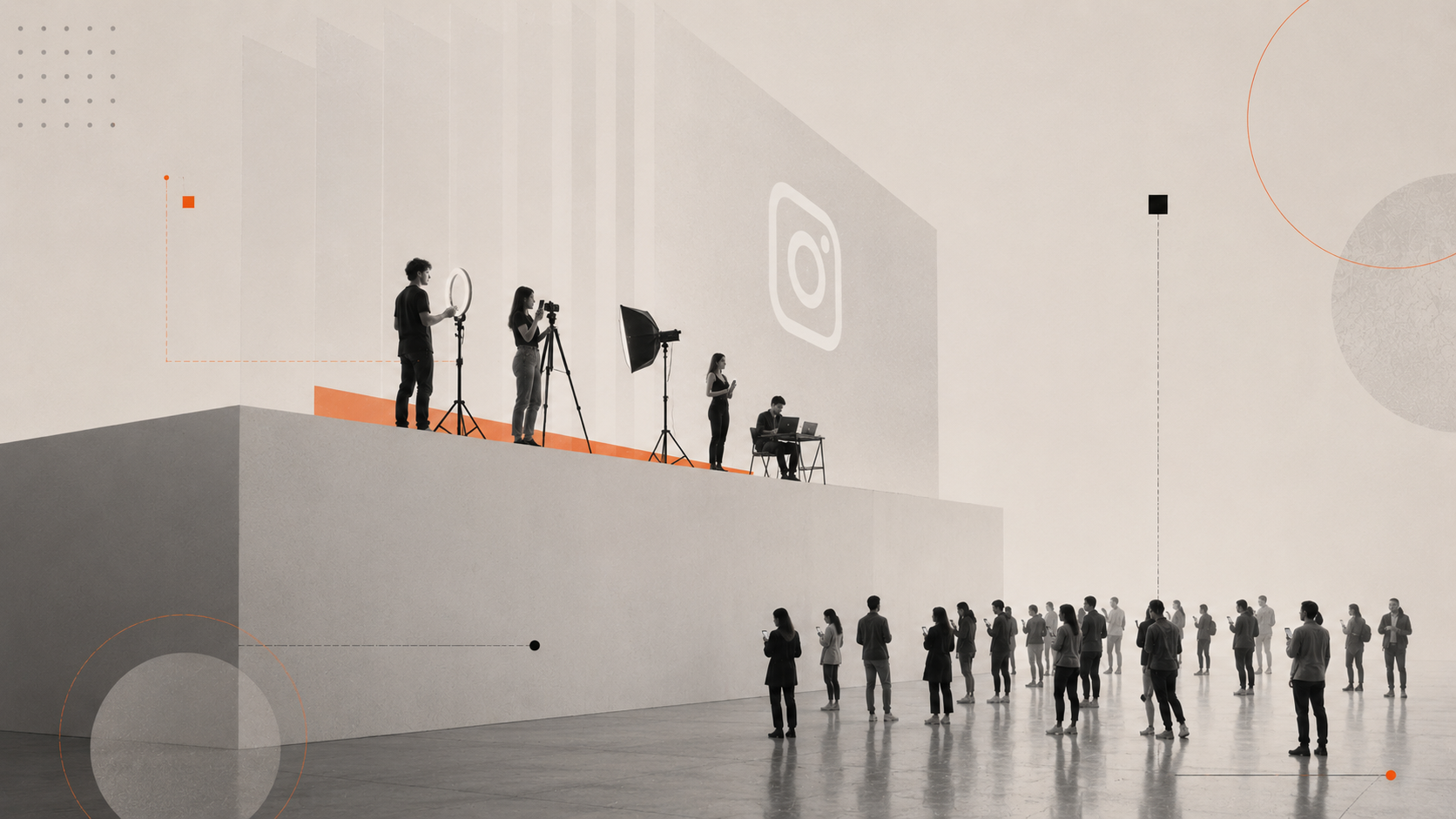
This shift is not accidental—it’s the outcome of Instagram’s own evolution. Over time, the platform has raised the bar, pushing toward more curated aesthetics, performance-driven formats, and optimization logic. While aligned with attention dynamics, this has created a clear side effect: many users no longer feel like they belong in the space as creators. The gap between those who create and those who watch has turned into a structural barrier.

Instants: Meta’s move toward spontaneous content

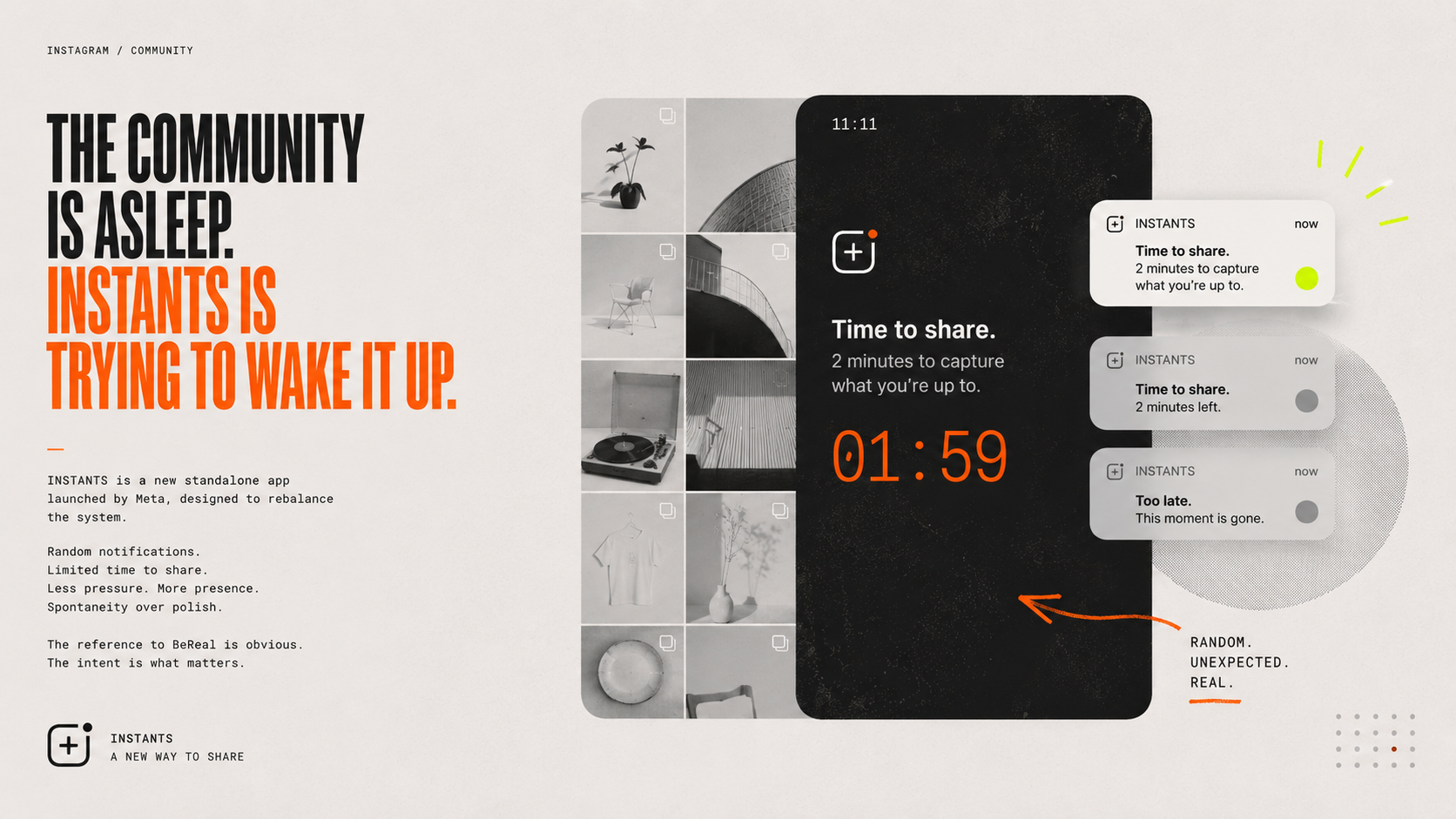
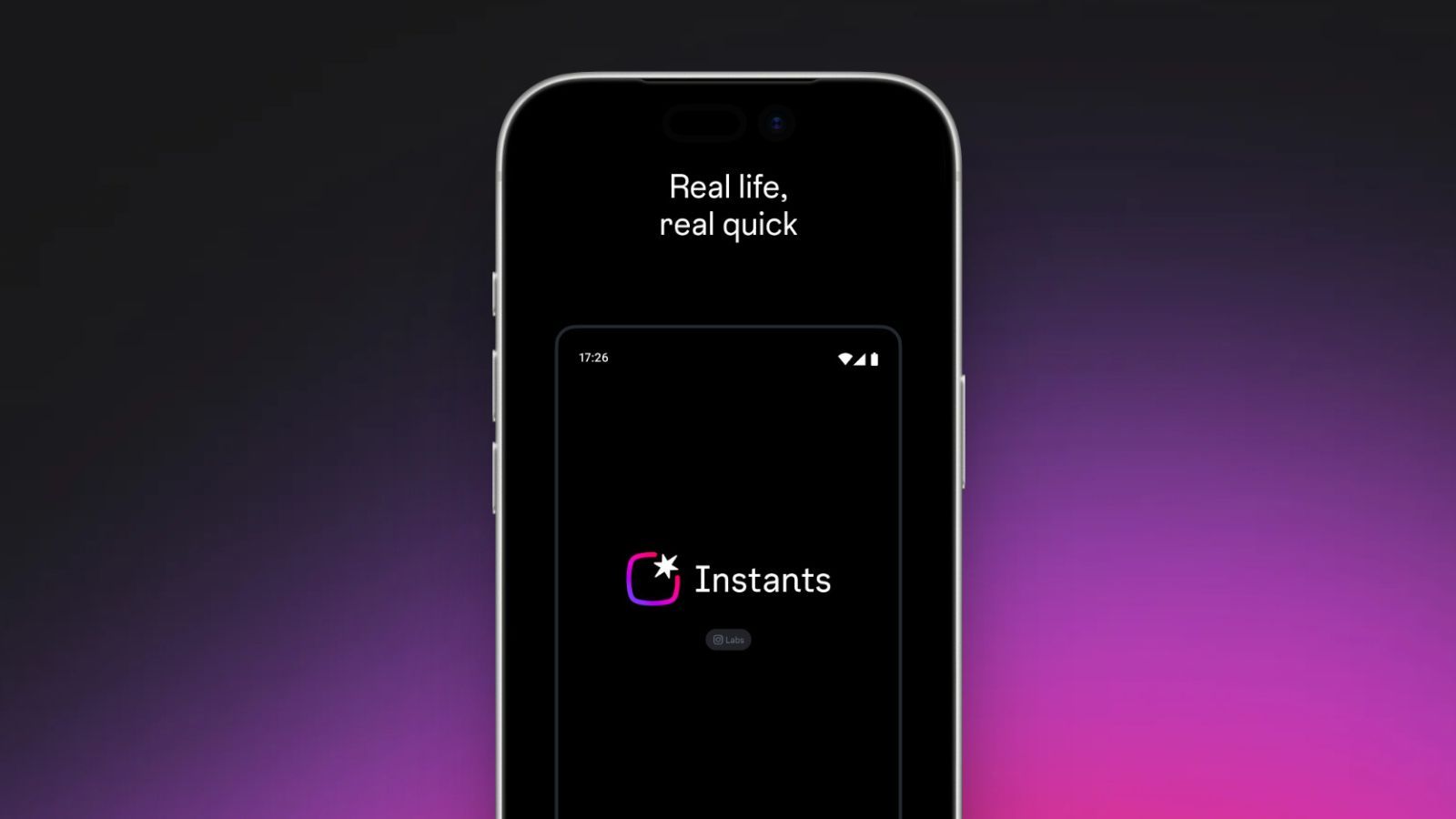
This is where Instants comes in—a new standalone app launched by Meta, designed to rebalance the system. It introduces mechanics built to reduce the pressure of posting: random notifications, limited time to share, and a focus on spontaneity over polish. The reference to BeReal is obvious, but the real point lies in the intent.

How Instants aims to reactivate passive users

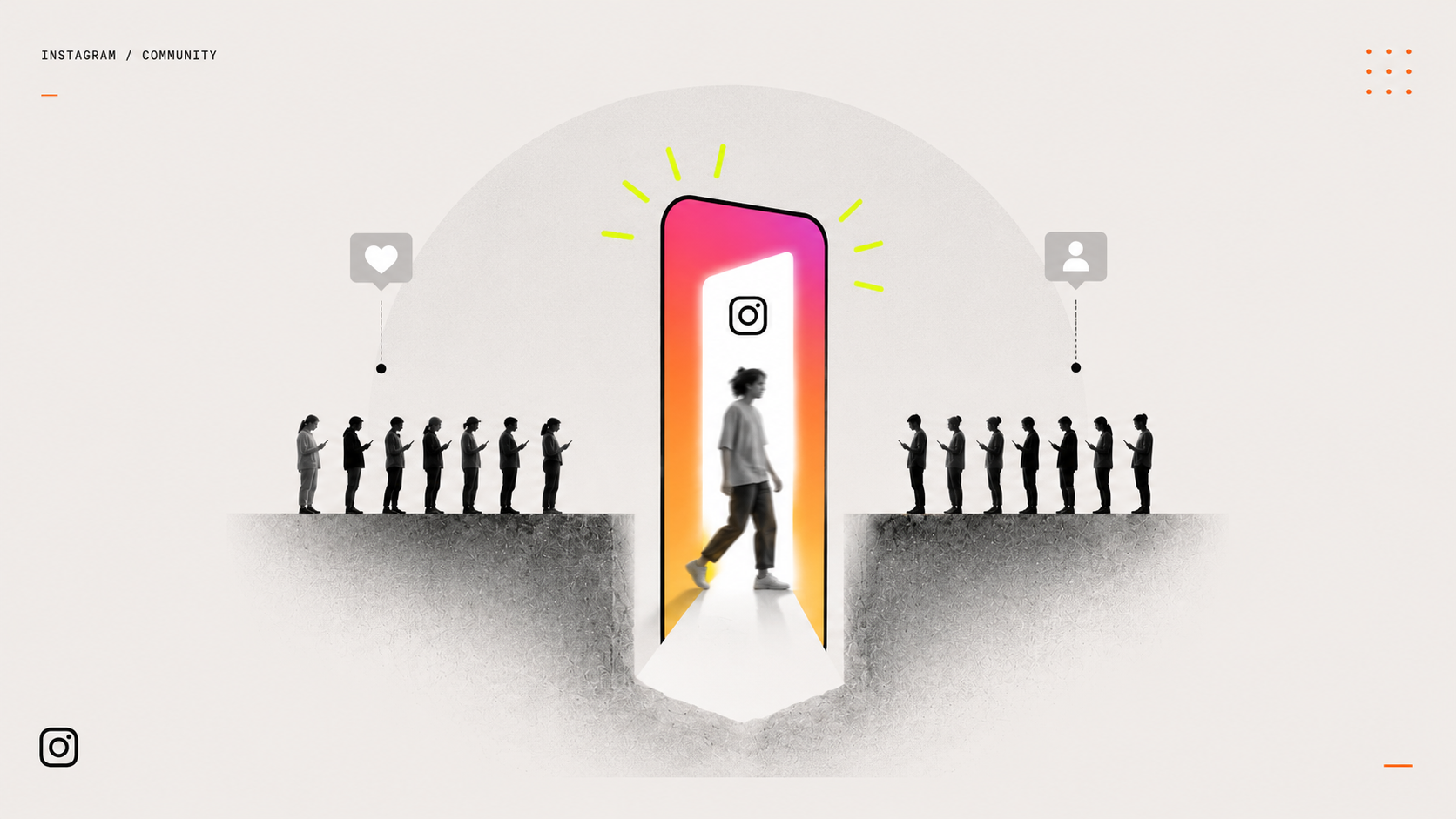
Instagram is trying to bring inactive users back into the creation loop by lowering the barrier to entry and reframing posting as a simple act again. The goal is to reintroduce imperfect, more authentic content, and reduce the distance that has grown over time between creators and viewers.

Will Instants work? It’s a behavioral challenge

The real question is behavioral. Instagram has spent years training users to optimize, curate, and perform. Now it’s asking for the opposite: immediacy, imperfection, and less control. That shift is not automatic, because it requires a mindset change that goes beyond a single feature.

Instants is a test for the future of social media

In that sense, Instants is first and foremost a behavioral test. It aims to understand whether there’s still space for a more lightweight, participatory model, or whether the current structure—few creators, many spectators—is now fixed. If it works, Instagram regains vitality. If it doesn’t, it confirms a deeper structural shift.

Why Instants is being tested in Italy and Spain
One detail says more than the feature itself: the test is launching in Italy and Spain. These are high-intensity usage markets, where social behavior is still deeply relational. If you want to measure whether people are willing to post again, this is where you start.

This isn’t a launch. It’s observation.

Andrea Galtieri

Learn more

At Superhumans, I work as Head of Digital & Social, helping brands turn digital into something that actually moves the needle. After 17+ years in digital, across strategy, creative direction and social ecosystems, I’ve learned one thing: digital only works when it’s tightly connected to business goals, culture and people. Not slides. Not buzzwords.

You might also be interested in:

Extreme tanning: while sunscreens have now become a pillar of beauty, "tanmaxxing" is taking off on social media, the dangerous trend among younger people of exposing themselves to the sun without protection. A short circuit born from decades of aesthetic marketing and from a digital communication landscape that still struggles to provide real health information.

In an increasingly crowded media ecosystem, a good story needs much more than a press release: it requires vision, precision and a creative platform capable of making it relevant.

The 2026 World Cup is the perfect opportunity to tap into emotions, cultural identities, and collective rituals. An immense narrative space in which we have explored how brands are trying to win over the heart (and mind) of the audience.

An analysis of 9.5 million citations shows that LinkedIn is becoming one of the most influential sources in AI-generated answers. For brands, content strategy has officially entered the age of AI Search.