Teleport to Topic
The language of love: behind the scenes of superhumans x Tetrabondi new campaign
by
5 min for reading
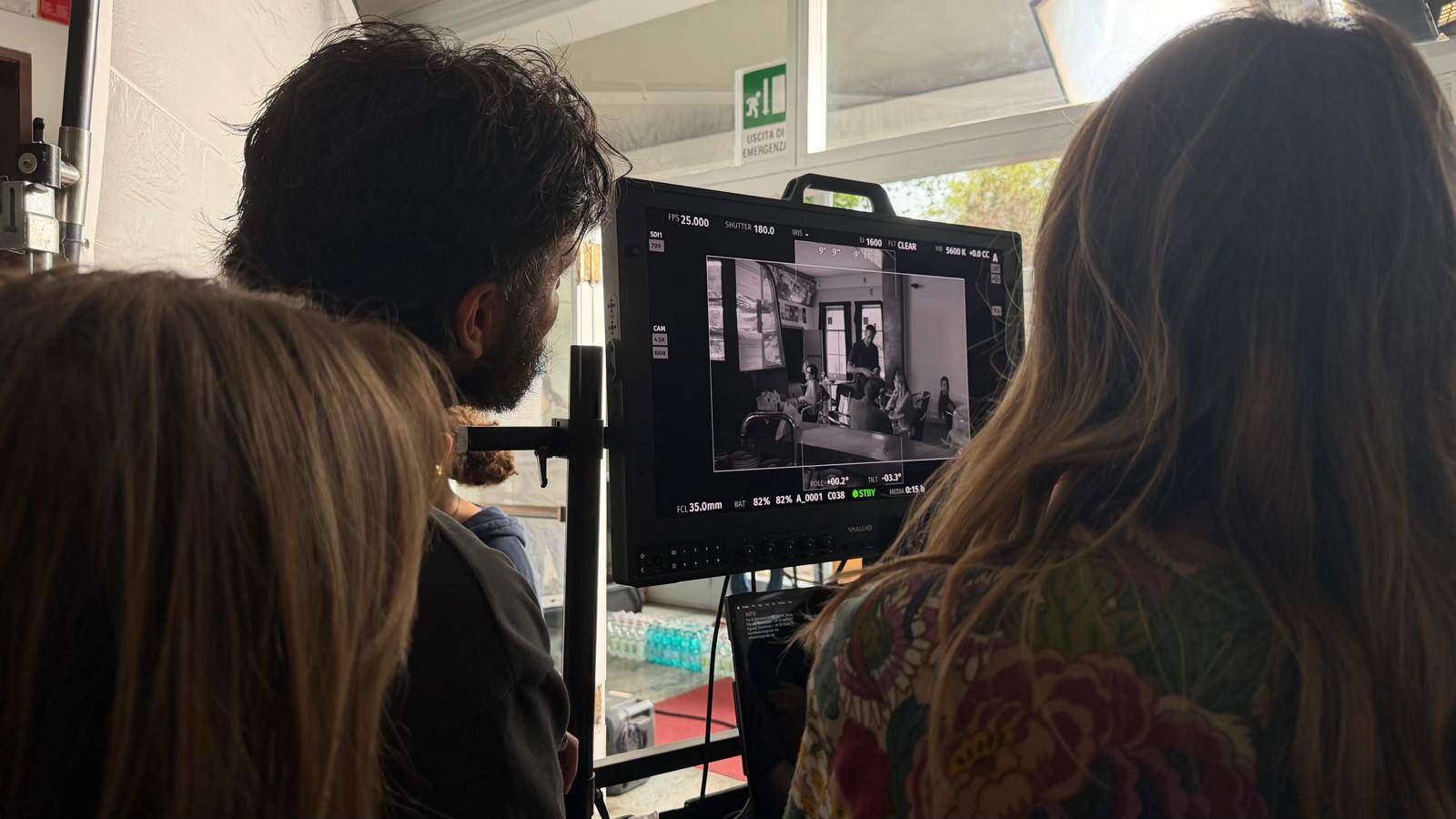
We could tell you about this collaboration as a corporate social responsibility project, complete with slide decks and KPIs. That would be easy, and true up to a point. The more honest truth is different: by now, we at superhumans feel like part of the Tetrabondi family. Not “close to.” Not “partnered with.” Part of.
We don’t support Tetrabondi because it’s good for our corporate image (it is, to be fair, but that’s not the point). We do it because, over two years, these kids and their families have made their way into our lives, our group chats, our thoughts even when we’re not working on this project. When you really care about someone, sooner or later you find your own way to show it. Ours is this: putting our craft, our skills, our contacts, to work for a cause that, for us, stopped being just a cause a long time ago. Call it the language of love, if you want to get romantic about it. We call it doing what we do best, for the people we care about most.
There's one thing we've learned in two years of Tetrabondi
There’s no “right” way to introduce yourself, the first time, to a kid who looks at you like you still have something to prove. Then he opens his mouth, teases you mercilessly, and the problem solves itself.
That’s how this second year began too. For the second year running, we chose to support the Tetrabondi Foundation, and we’ve just wrapped filming on the integrated campaign that will tell this story.
The insight (which we won't fully give away)
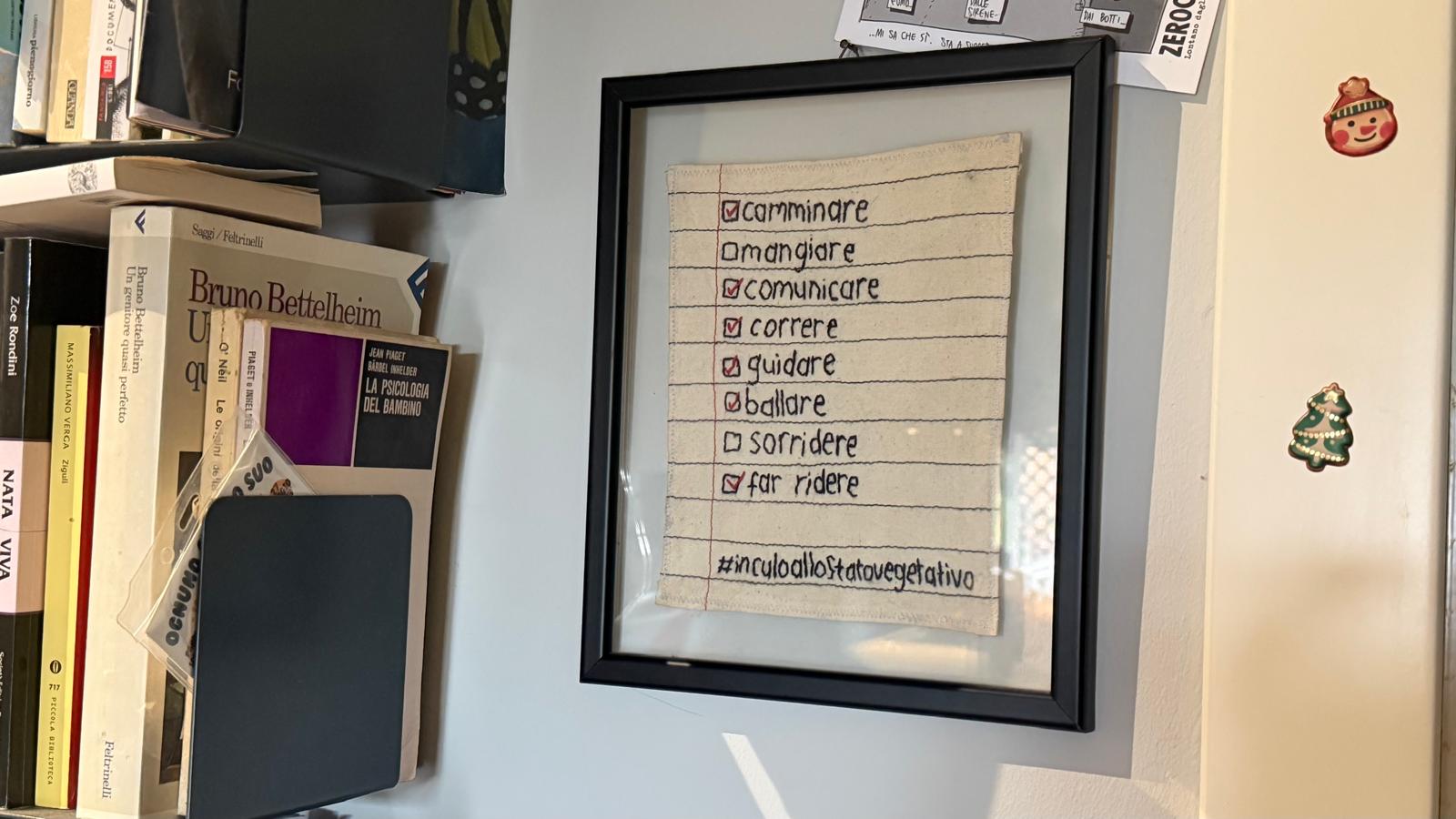
Every campaign starts with an itch you can’t quite scratch, and this one was no different. Ours, more or less, was this: how often, when we talk about disability, do we only tell stories about heroes? People who make it “despite everything,” who are always inspiring, always resilient, always ready to teach us something about life to a swell of emotional music. It’s a narrative genre with a technical name, inspiration porn, and one that (let’s be honest) says more about us – about how we want to feel watching those stories – than about the people actually living them.
Before anything else, the kids of Tetrabondi taught us this: that the most revolutionary right you can ask for is the right to be simply normal. To be allowed to fail, have a bad day, make a joke that lands wrong, be mediocre – and have that be completely fine. That’s where this year’s idea came from.
We won’t say anything more, except that it doesn’t look like any social campaign you’ve seen before, and that a couple of the Tetrabondi kids, watching the (almost) final cut, made fun of us without mercy. We’re taking that as a compliment.
The real stars
If we had to pick one word to describe what it’s like working with the Tetrabondi kids, it would be: uncomfortable.
In the best possible way. Uncomfortable because they tear apart any “nice” script in three seconds flat, because they have zero interest in playing the role of someone who needs to be helped, understood, pitied – and also because, sometimes, we literally have to take doors off their hinges to get them into a room that was “accessible” only on paper. They just want to be themselves, and on set they claimed every bit of space to do it.
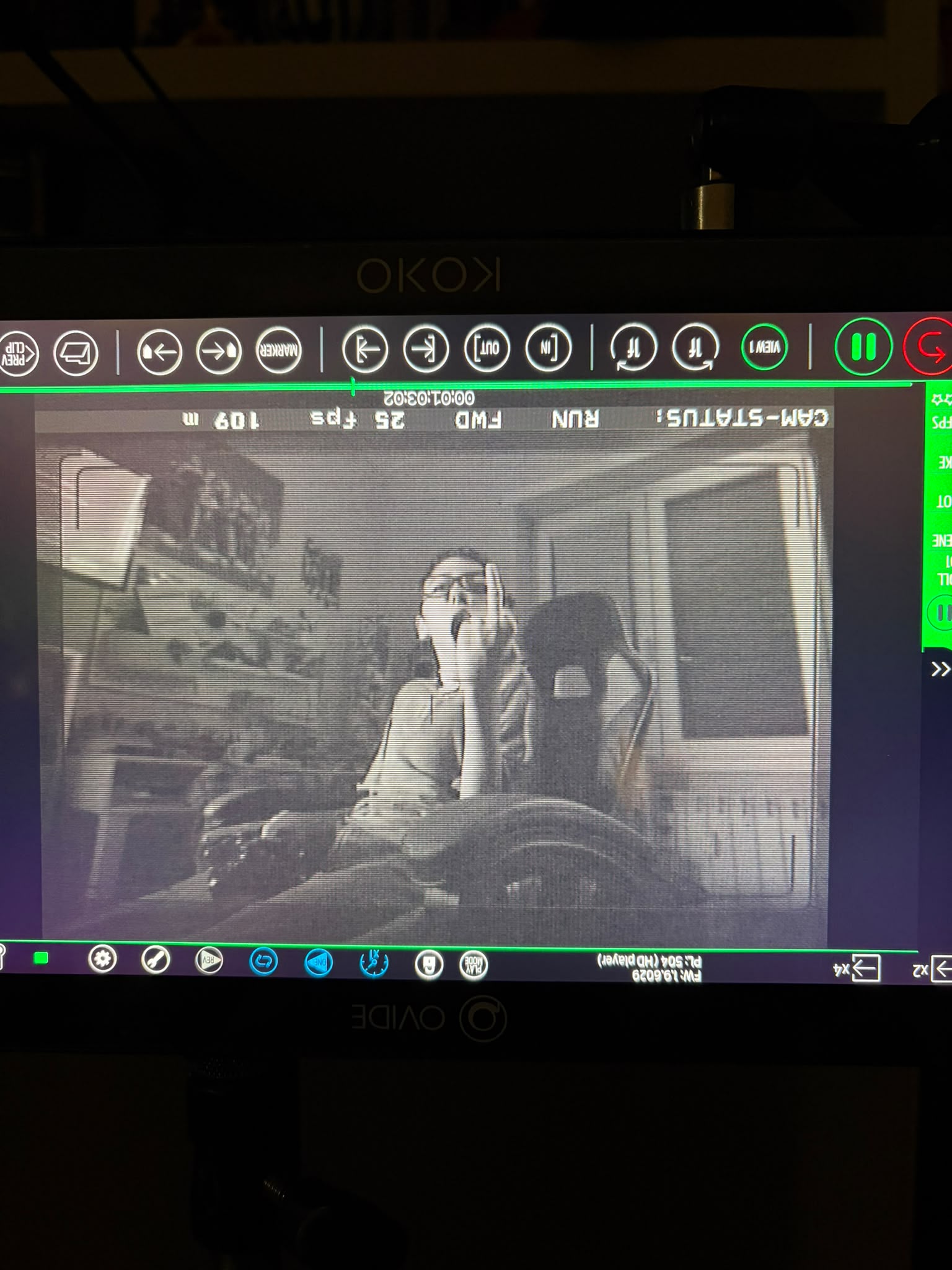
There’s Orlando, 12, who between takes tells the crew all about his passion for archaeology and wants to grow up to be a historian “like Barbero.” There’s Gaia, 15, who calls herself “irreverent” and leaves no doubt about it whenever she decides to give the director notes on the script. There’s Sirio, 13, who by now is a legend in studios all over town for his ever-ready middle finger, which has become the unofficial symbol of our sets, and Mara, who between shots tells us – always in her own way – how she scrolls Instagram with her tongue. There’s Anita, who showed zero mercy for the DOP and photographers: the outfit had to include sequin pants, no negotiating. There’s Francesco, who hates reading on principle but would watch Netflix twenty-four hours a day if he could, and who’s just enrolled in Communication Sciences because, if you’re going to spend your life talking about sports, you might as well make a career of it. And there’s Sara and Anne, 14-year-old twins, inseparable on set as in life, with an understanding that doesn’t need many words. And then there’s Ketty, an incredible singer we talked into acting – we’re honestly not sure how – and who turns out to be brilliant at that too.
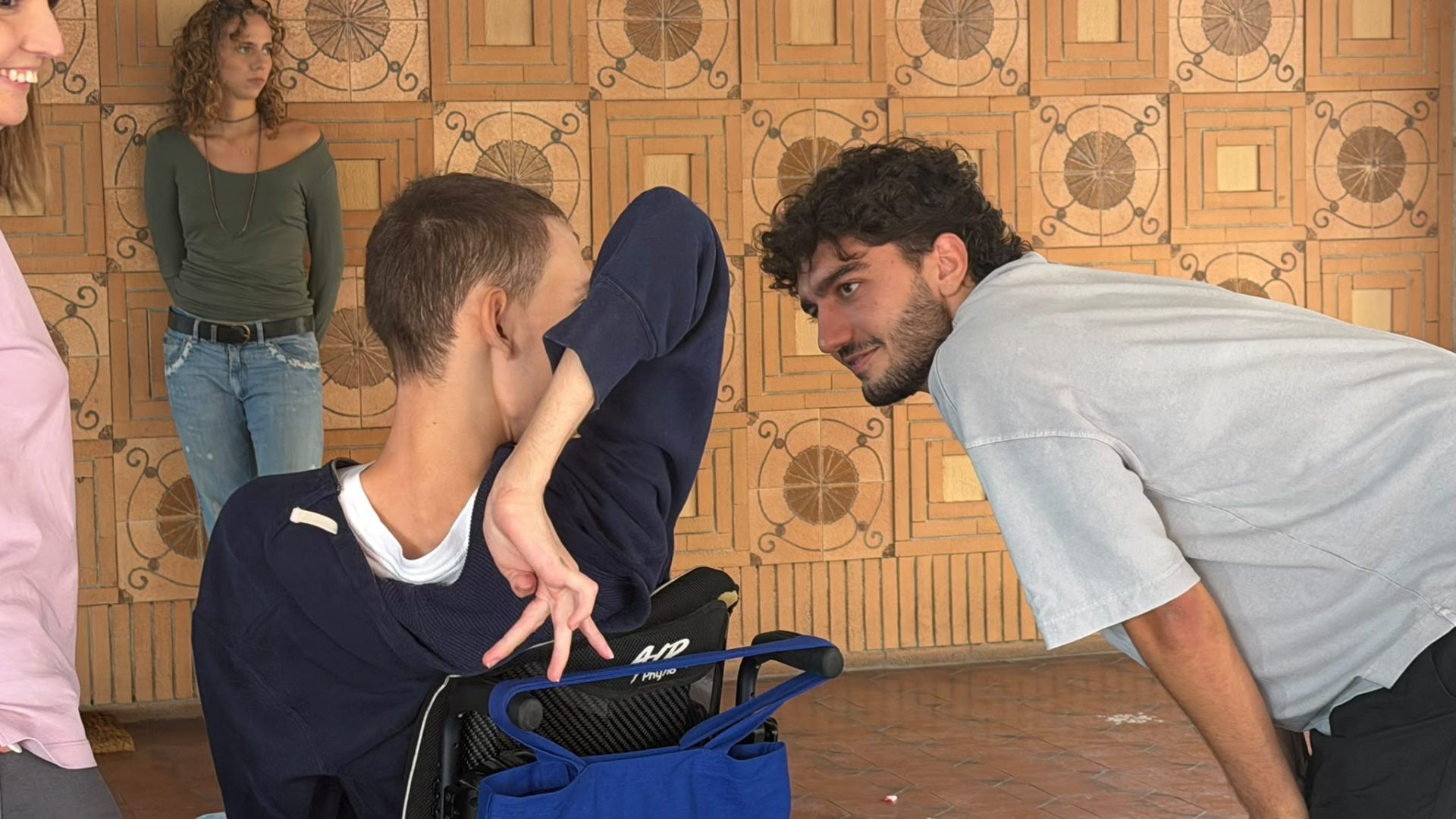
When they’re around, the set stops being a set and turns into a family party with the cameras running. There’s a lot of laughing, often at our expense: at how awkward we are, at the questions we ask, at the times we freeze mid-sentence, afraid of saying the wrong thing. Claudia and Martina, our art directors, found themselves pulled in as extras more than once, and by now they can say they’ve acted in this campaign too. Together with Cecilia, our creative director, we spent a good part of the shoot holding back tears and laughter at the same time, in a precarious balance that occasionally tipped over and ruined more than one take. Alice, our copy creative director, didn’t miss a single take, even from a US time zone. There’s also someone on our team who found a kind of kinship in a name: our own Francesco and Tetrabondi’s Francesco discovered, in the same breath, that they share a name – and support Roma – and from then on it was a running, under-the-breath exchange of predictions between shots. They watch us, they see right through us, and they tease us for it. It’s the most effective way there is to make you feel at home. Central to all of this is Valentina, Tetrabondi’s founder and, by now (we’ll say it without hesitation) a friend: without her, quite simply, none of this would exist.
Who answered our call
There’s another thing that moved us about this second edition: the response we got when we put out the call for a production partner. Making an integrated campaign of this scale comes with a real cost, and like Tetrabondi, we work pro bono: no pay, just the drive to tell a story worth telling, well.
The one who answered was Karen Film, a production house that normally works with brands like Lamborghini, Audi, Armani, or Spotify, with top-tier budgets and standards. They brought the same production machine, the same care, the same expertise they reserve for their most prestigious clients — this time for a group of kids who deserve exactly the same treatment.
Not a social project thrown together on a shoestring, but a real production, done right, because the stars of this story deserve nothing less.
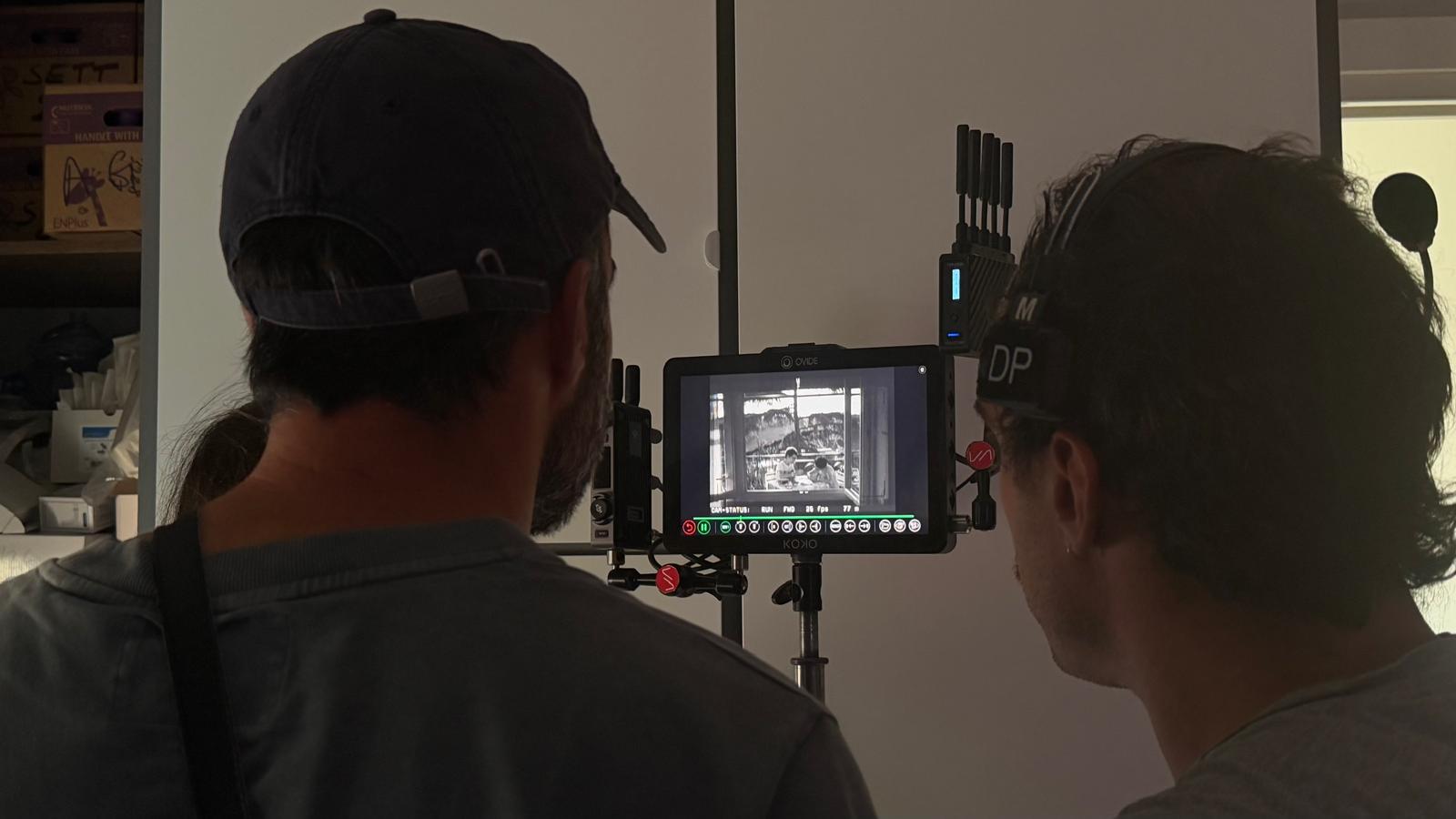
And proving that nobody here was working with the handbrake on: Riccardo, our head of production, who also put his skills as a videographer to work for the cause, giving us the behind-the-scenes footage you’ll find below. Behind the lens, for the second year running, is Ilaria, our favorite photographer, who brings a rare sensitivity and a professionalism you can spot a mile away.
What we can spoil for you
We won’t tell you what to expect when the campaign comes out: we already said it, we’re not here to ruin the surprise. We’ll just tell you this: there are faces you’ll recognize coming back, and new faces who’ll win you over in seconds. And there are, above all, the real stars of this story — Orlando, Gaia, Sirio, Anita, Francesco, Mara, Ketty, Sara, and Anne — who lent their faces, their voices, and their sense of humor to an idea that truly tells their story.
Even our copywriter Nicolò occasionally lets it slip that he’s walked one of our testimonials’ dog, then stops himself mid-sentence because, no spoilers, please. See? Even we can’t quite manage to keep our mouths shut.
In the meantime, if this behind-the-scenes look has got you curious, the best way to stay updated is to follow superhumans and Fondazione Tetrabondi on social media. And if you really can’t wait for the campaign to launch to do something concrete, head to fondazionetetrabondi.org, where you’ll find all the projects the Foundation runs every day, all year round – not just when the cameras are rolling.
Marzia Minnucci
Learn moreI’m an Account Director with around ten years of experience in the industry, the last five of which I’ve spent at Superhumans. I’ve worked extensively with clients in the entertainment industry, and over time I’ve developed a passion for branding, but especially for pro bono projects. They’re the ones that remind me why I chose this profession in the first place.
You might also be interested in:
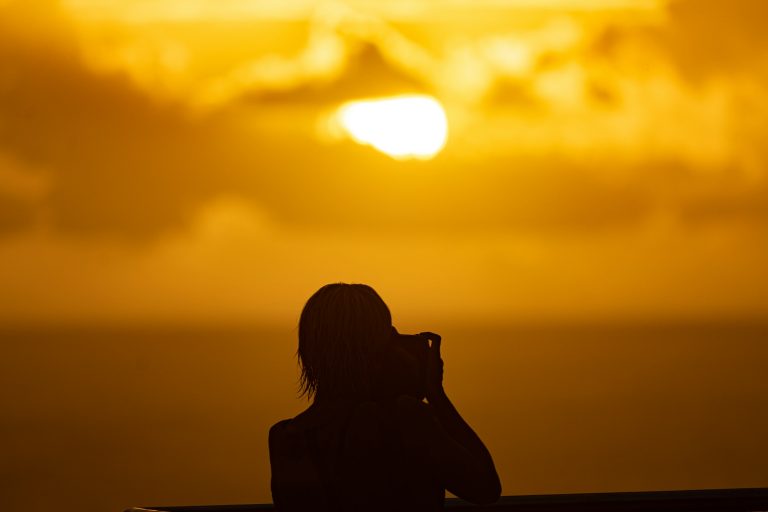
Extreme tanning: while sunscreens have now become a pillar of beauty, "tanmaxxing" is taking off on social media, the dangerous trend among younger people of exposing themselves to the sun without protection. A short circuit born from decades of aesthetic marketing and from a digital communication landscape that still struggles to provide real health information.
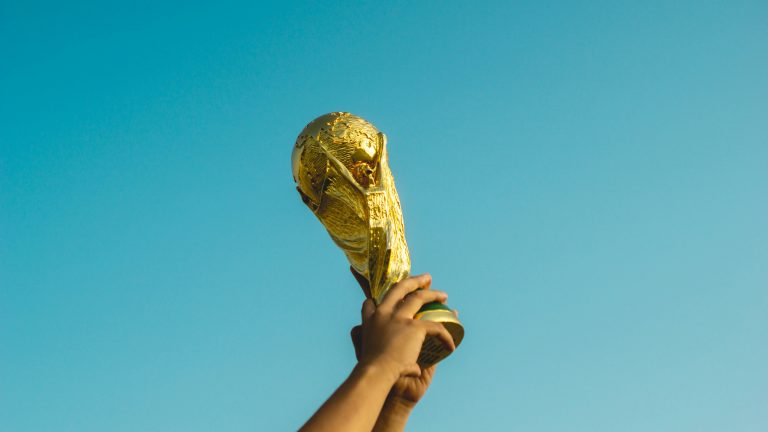
The 2026 World Cup is the perfect opportunity to tap into emotions, cultural identities, and collective rituals. An immense narrative space in which we have explored how brands are trying to win over the heart (and mind) of the audience.
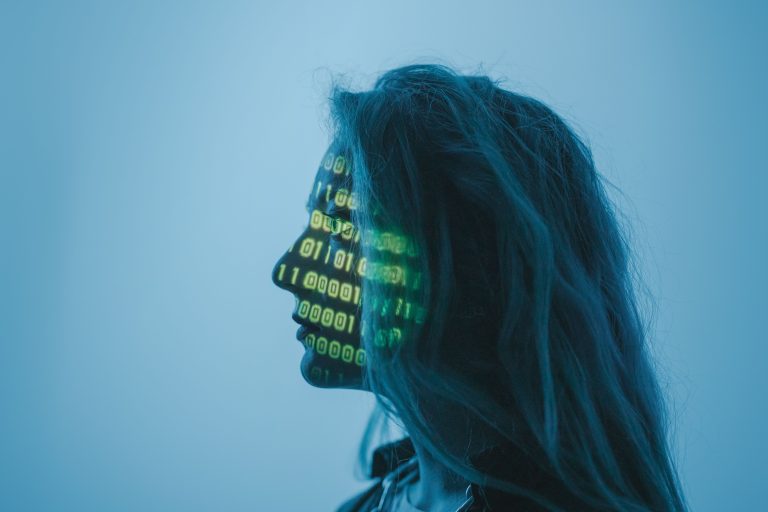
Conversational AI apps are becoming part of our daily lives not only because of what they can do, but because of how they speak to us. From ChatGPT to Claude, Perplexity, DeepSeek, Grok and Gemini, tone of voice is becoming a key factor in how people choose, trust and build relationships with AI assistants.
With generative AI, communication is no longer measured only by speed, but by credibility. People want to know when content is AI-generated, making transparency essential for brands. Today, the real differentiator is not simply using AI, but using it without compromising trust, authenticity, or the relationship with audiences.