Teleport to Topic
WMF 2026: The future isn't about producing more, but about choosing better.
by
6 min for reading
Not the future, but the present
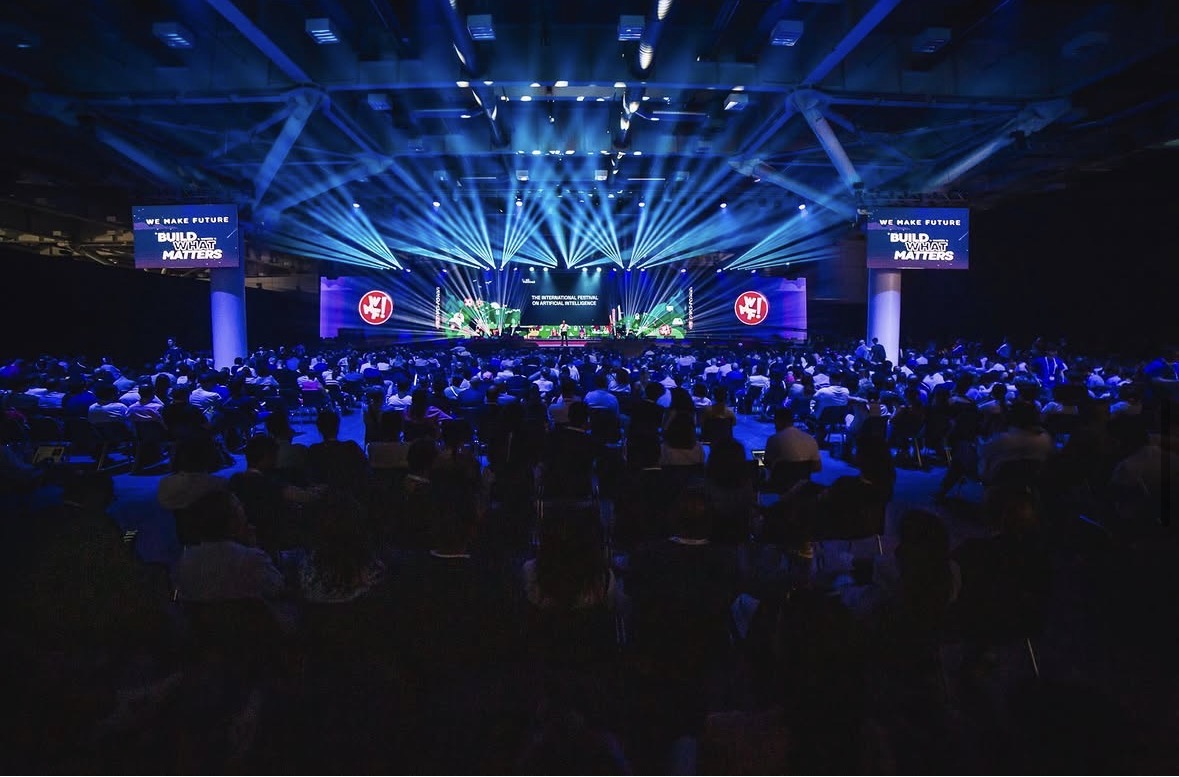
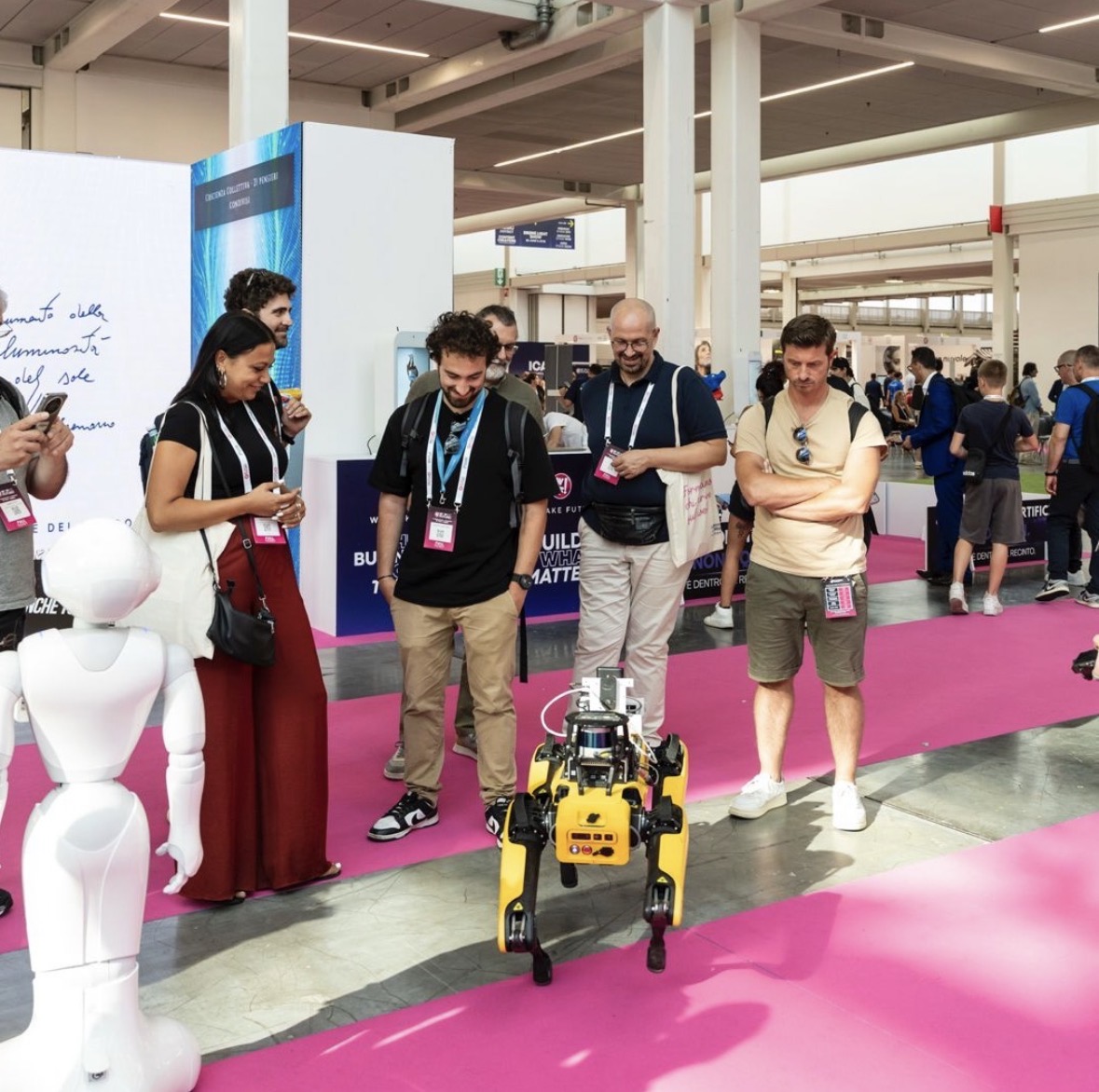
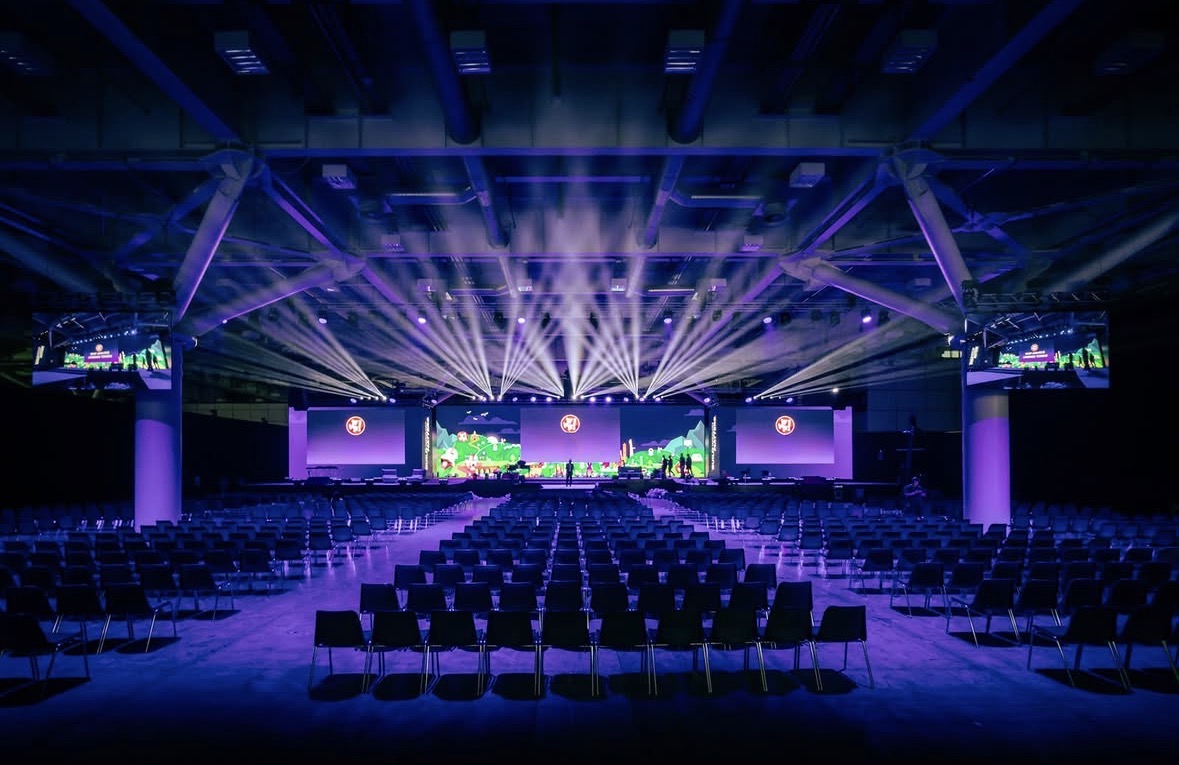
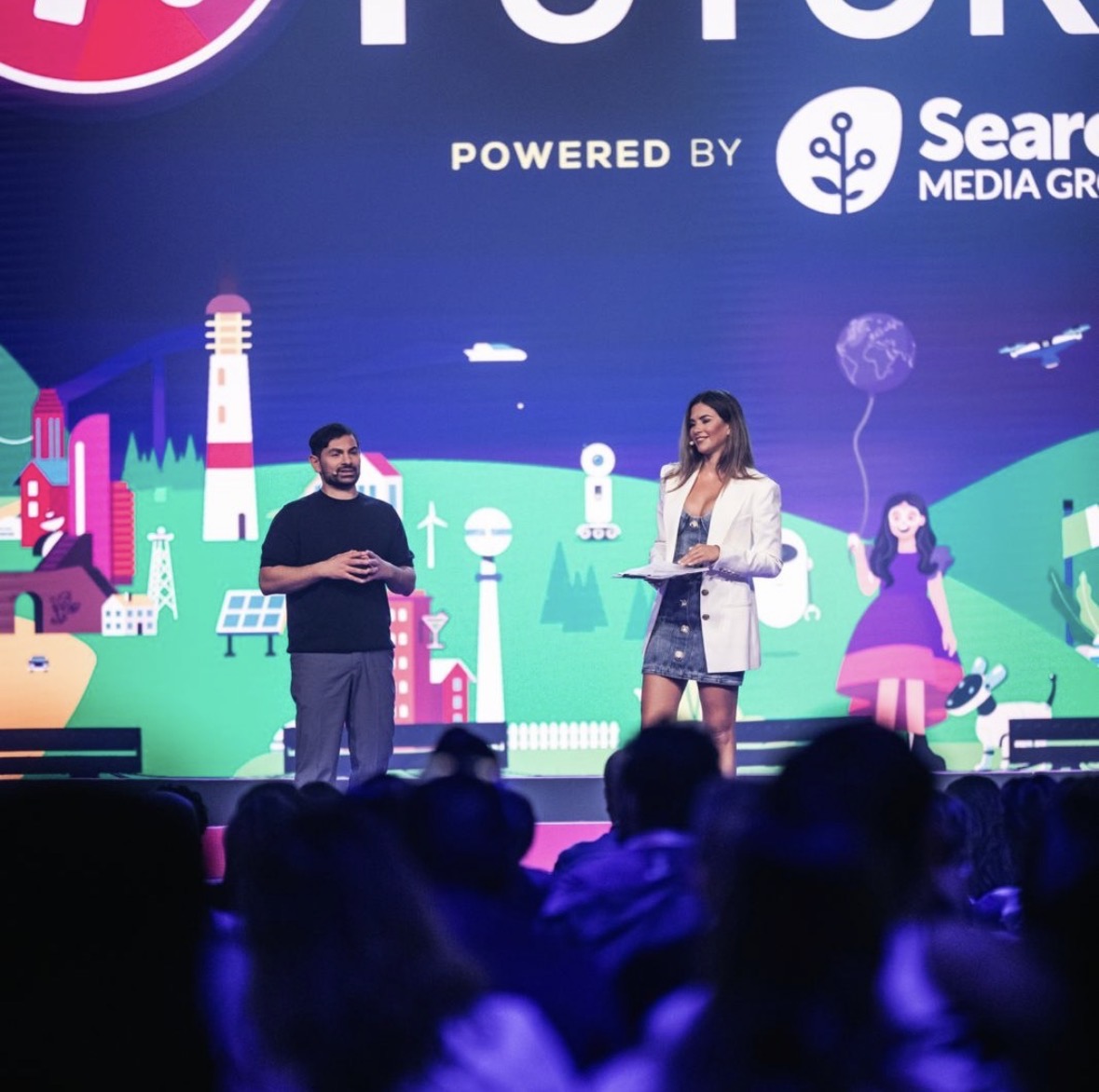
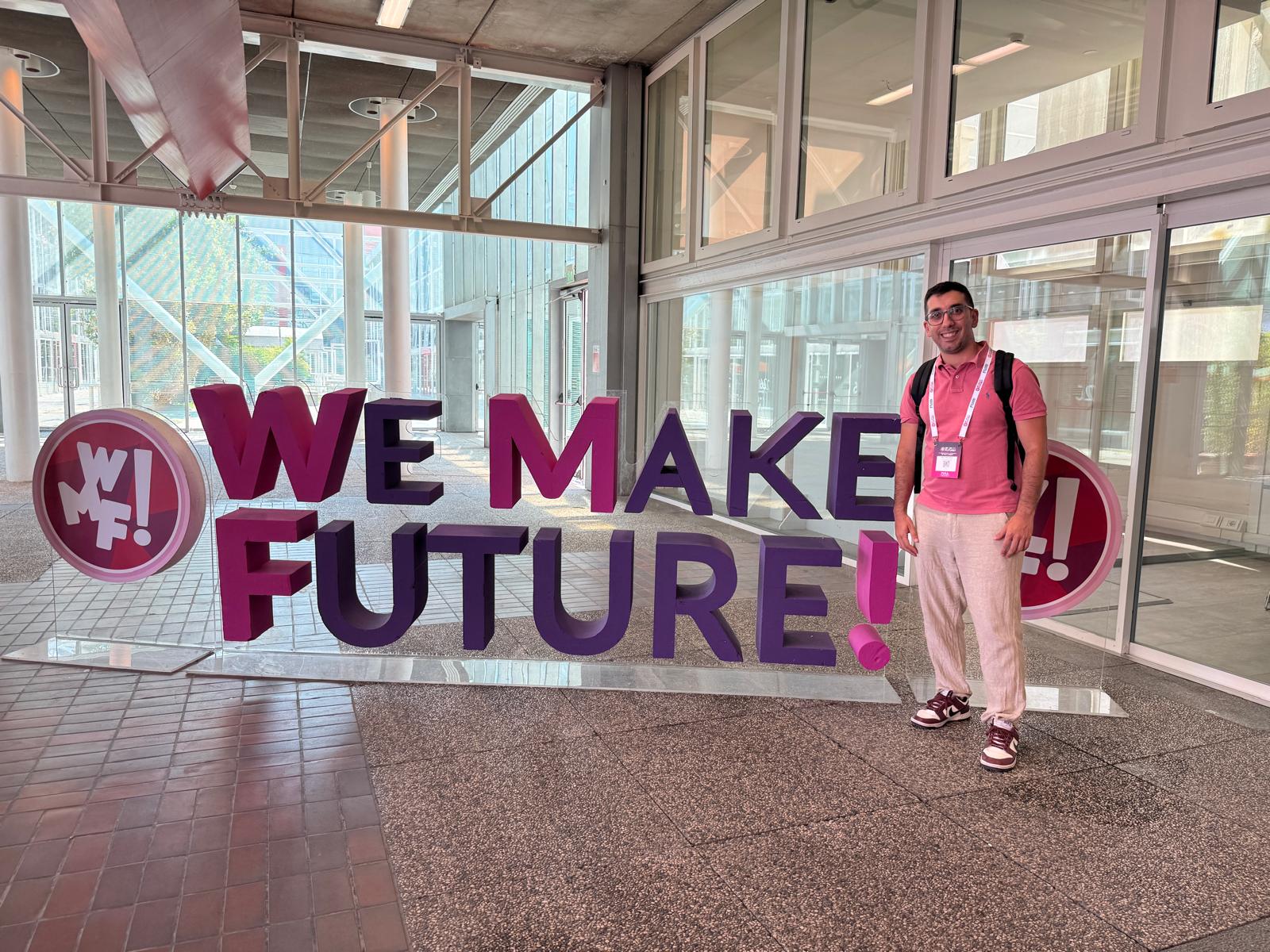
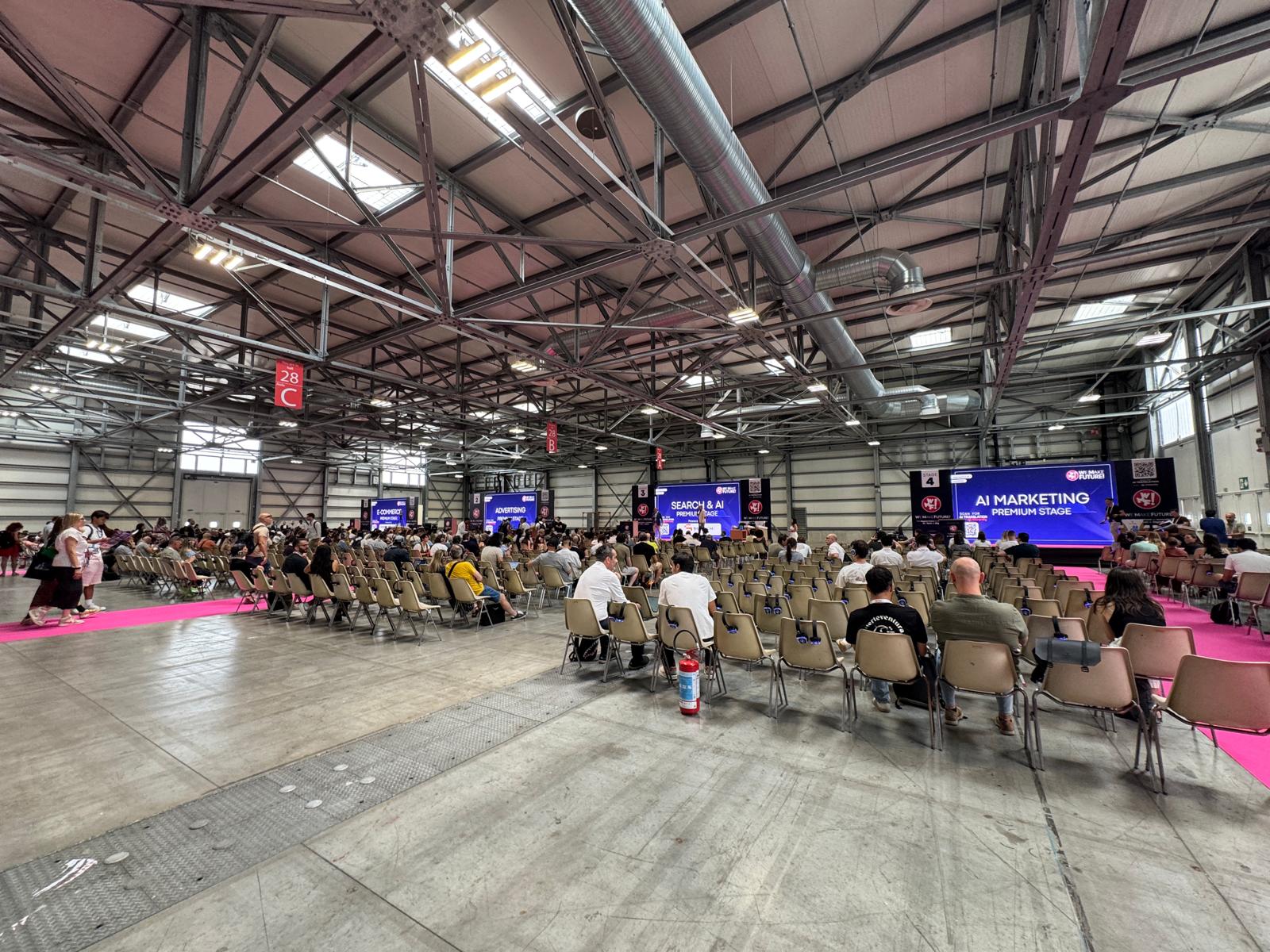
I returned from the WMF with a fairly clear feeling: this year, we weren’t really talking about the future. We were talking about the present. A present in which artificial intelligence has already penetrated processes, content, research, commerce, strategy, and even the way people discover, choose, and trust brands. I arrived hoping to understand how AI will make everything easier. I’m returning with the idea that it will make everyone more demanding. Because if everyone can already produce faster, write more content, generate more images, analyze more data, and build more creative variations, then the value will no longer be in production. It will be in direction.
The strategist becomes more responsible
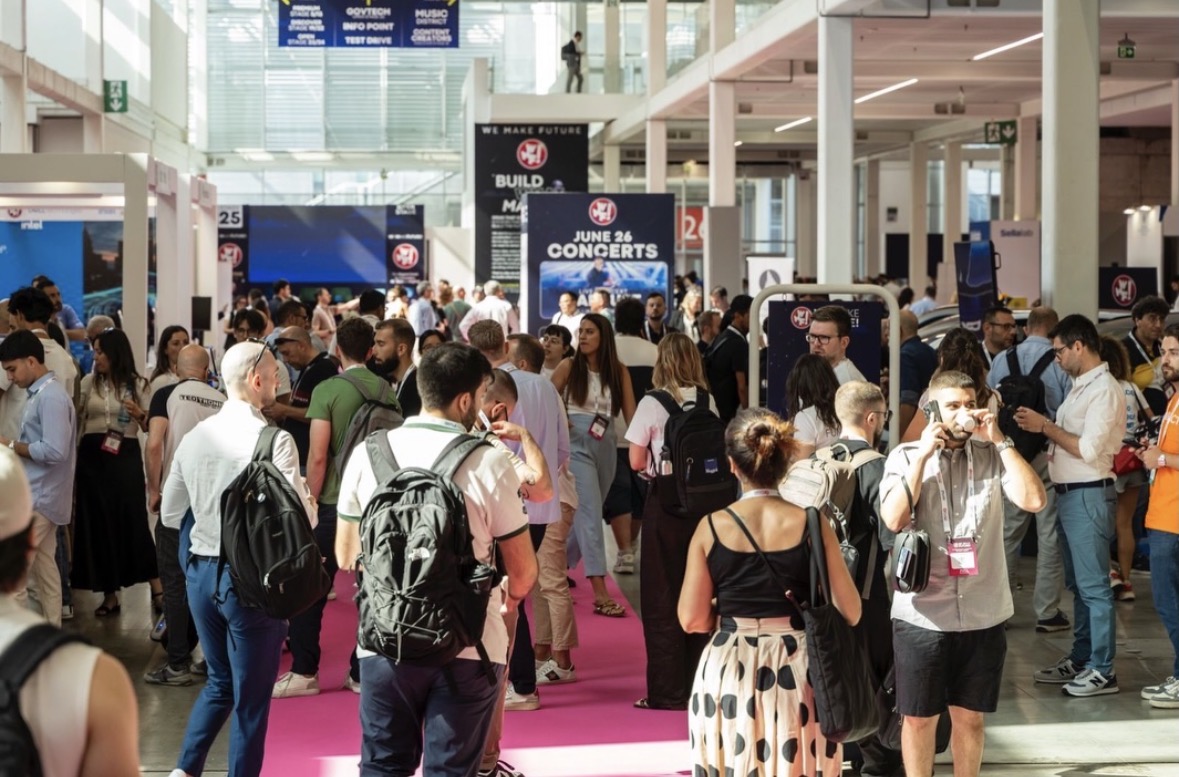
The first important thing I saw concerns the strategist’s profession. The discussions on the AI-Augmented Strategist and agentic processes revealed a clear shift: using artificial intelligence as an operational shortcut is no longer enough.
AI becomes truly useful when it enters a system made up of context, method, rules, skills, validation and human judgment.
The strategist, therefore, doesn’t become less important. He or she becomes more responsible. They must know which questions to ask, which sources to use, which outputs to accept, which to discard, and above all how to transform efficiency into quality. Because time saved doesn’t automatically mean value. It only becomes valuable if it’s reinvested in thought, care, strategy, and depth.
From being found to being recommended
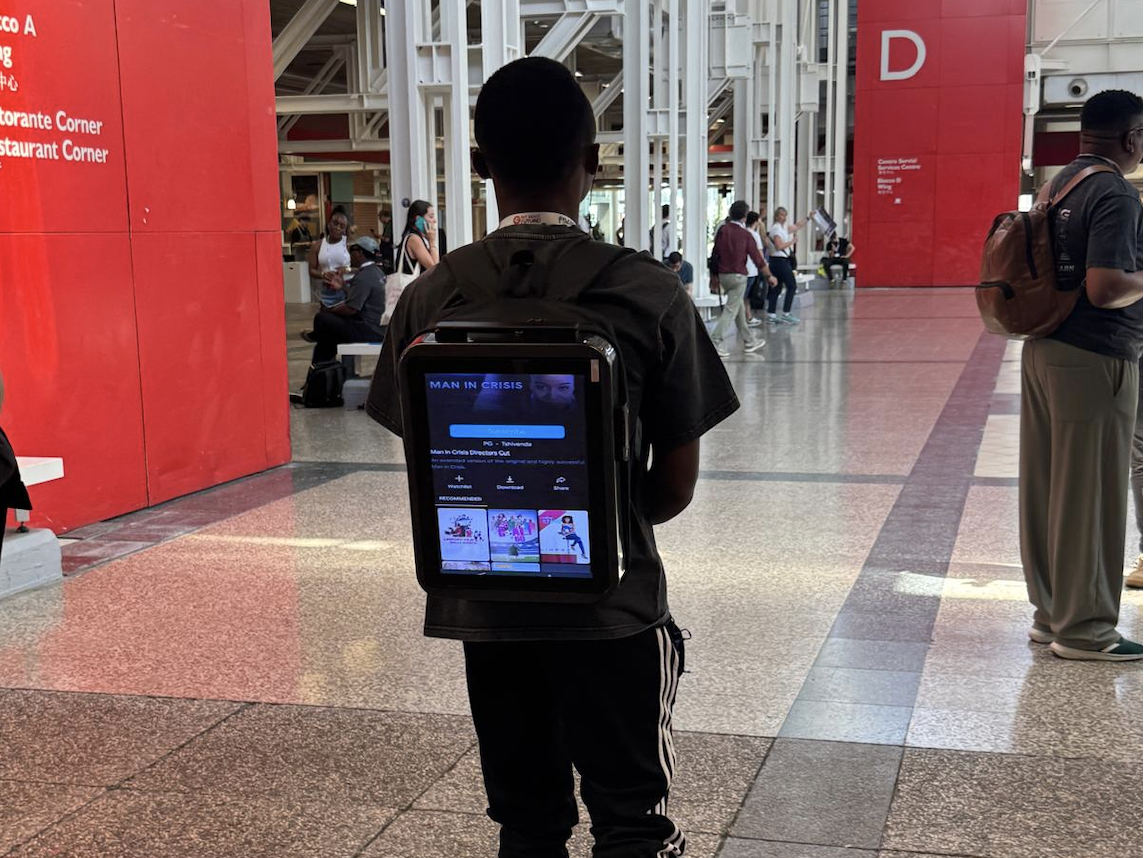
The second takeaway concerns brand visibility. For years, we’ve worked to be found. Today, we must start working to be recommended. As users, we only trust other people because we consider them authoritative. So the challenge for brands in the coming months, there’s no point in talking about years, will be to reach niches and occupy the spaces where AI gathers information. The speeches on GEO, LLM visibility, “When AI recommends,” and SEO beyond Google clearly demonstrated this paradigm shift. Search no longer relies solely on Google, keywords, and rankings. More and more, people aren’t just looking for a list of links: they ask a question and expect an answer.
This changes everything. A brand no longer needs to focus solely on its own website, but on the entire ecosystem in which it is presented: editorial content, reviews, creators, Reddit, YouTube, LinkedIn, TikTok, UGC, communities, and digital PR. Because AI doesn’t just read what we say about ourselves. They reconstruct what the web, people, and sources say about us.
Social media, commerce, and cultural tensions
The third important point concerns social media and commerce. The TikTok Shop conference was one of the most interesting because it illustrates a very concrete evolution: discovery, entertainment, and purchasing are converging in the same space. Users no longer leave the platform. They view, evaluate, trust, interact, and purchase within a single experience.
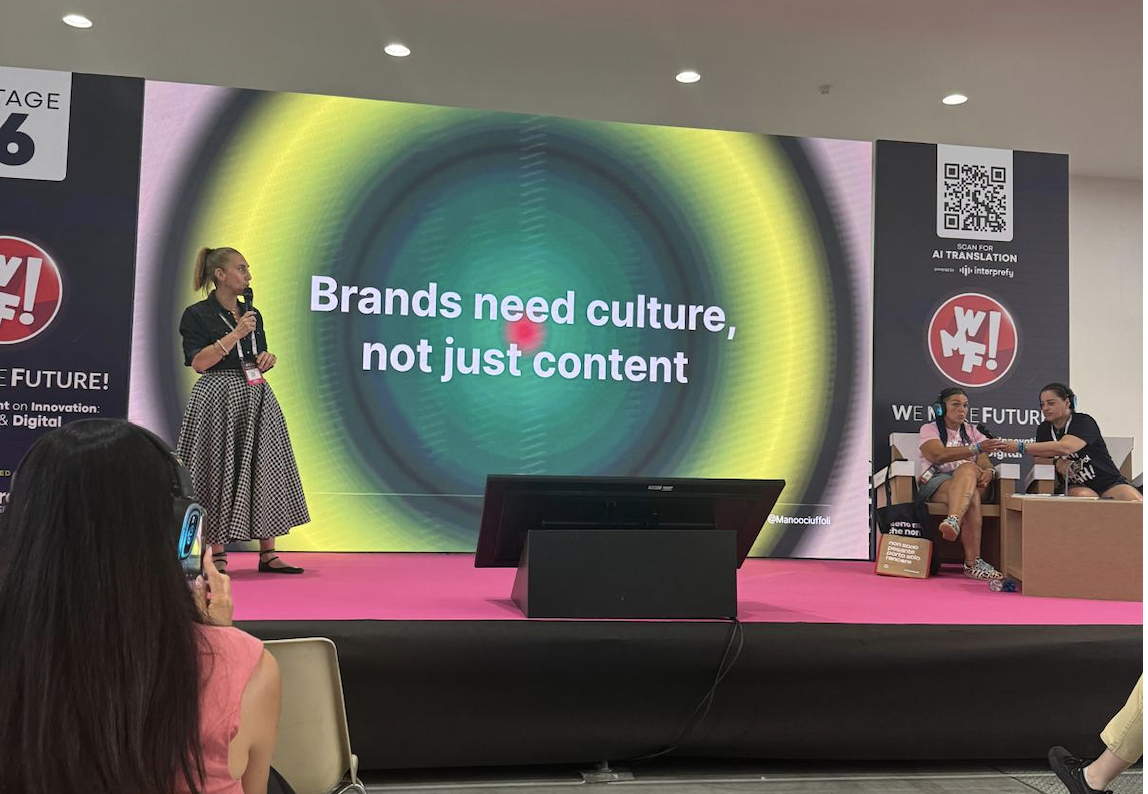
This means that brands can no longer treat social media as simple distribution channels. They must learn to navigate the platforms’ languages, behaviors, and expectations. The same goes for trends. I liked “The Death of Trends” because it shifted the discussion from a superficial question: “What trend should we follow?” to a much more strategic one: “What cultural tension is behind this trend?“.
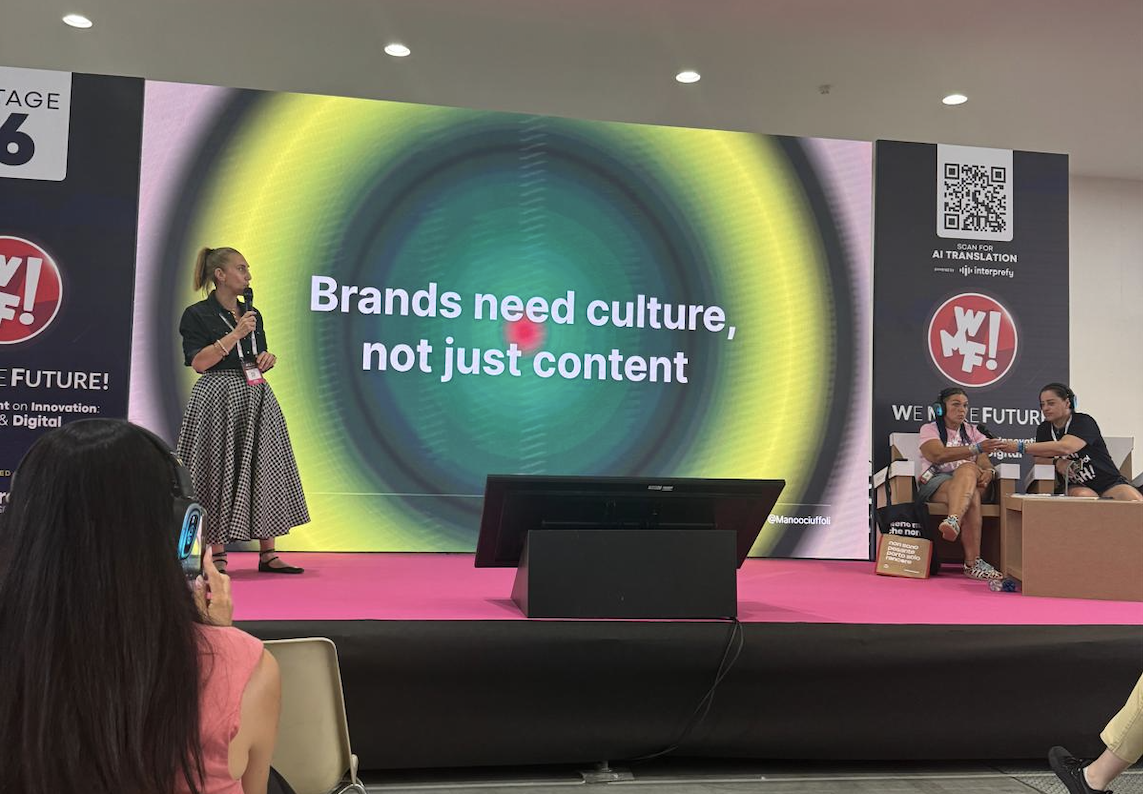
This is where brands should work. Not by chasing every meme, every audio clip, every format of the moment, but by understanding the needs, fears, desires, and behaviors that are emerging. Trends fade, cultural tensions remain. And if a brand manages to penetrate them, it stops producing content and starts constructing meaning.
Drag
More intentional, not just faster
Not everything convinced me. The first thing I missed was greater concreteness. Many of the presentations were brilliant, but often very similar: frameworks, maps, models, forecasts. It would be interesting to show more real-world cases, more numbers, more processes explained from the inside, more mistakes. We are fallible, and understanding where others have failed could humanize our daily work.
The second thing I missed was a deeper reflection on the impact of AI on workers, especially those in cognitive, creative, and relational roles. We talked a lot about productivity, automation, and optimization. Much less about how skills, mentoring, hierarchies, teams, training, psychological safety, and connections between people will change. And perhaps this is one of the most important questions that creative agencies and companies will grapple with.

Because just because AI speeds up work doesn’t necessarily mean it automatically improves the way we work.
The third thing that left me with some doubts was a certain technological euphoria. In many cases, it seemed that simply adopting a tool or workflow was enough to solve problems that were actually cultural, organizational, or strategic. But a weak process remains weak even with AI.
A brand without a point of view remains generic even if it produces content faster. In essence: AI doesn’t ask us to become faster. It asks us to become more intentional. More intentional in the way we think. More intentional in the way we construct content. More intentional in the way we design relationships. For an agency, this is perhaps the most interesting challenge: not using AI to produce more, but to choose better.
Riccardo Setth
Learn moreI’m Riccardo Setth, a Digital Project Manager with over 10 years of experience in communication. I work across social, digital content and integrated projects, helping ideas move from brief to execution with clarity, consistency and purpose. My role is to connect people, needs and outputs, making sure every project keeps its direction without losing its creative energy.
You might also be interested in:

YouTube is changing the way we watch TV, bringing creators, on-demand content, and digital-first languages to the living room screen. For brands and agencies, this opens up a new challenge: rethinking formats, creativity, and media planning for an audience that sees Connected TV as a central part of its everyday experience.

Viral diagnoses show how social media turns personal experiences into content people can recognize themselves in. For brands, the lesson is clear: it is not enough to join conversations; they need to choose which ones to engage with, building trust without giving up complexity.
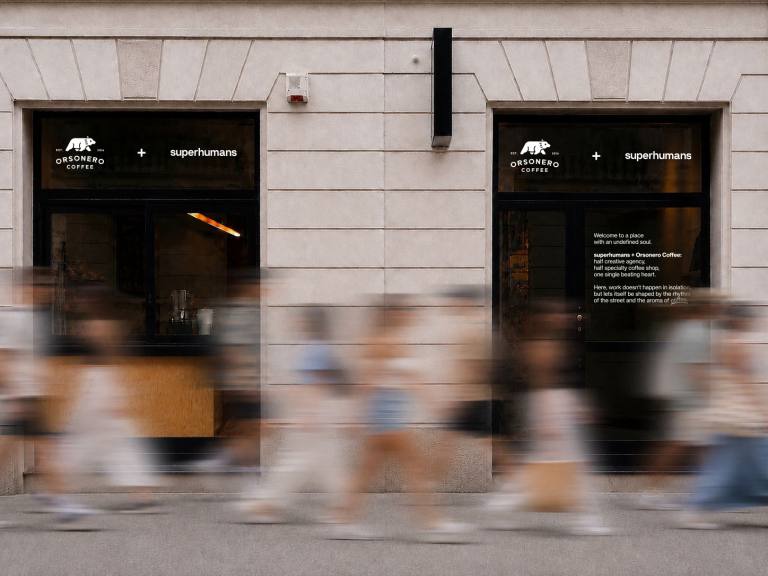
In via Paolo Lomazzo 20 a Milano nasce Superhumans Milan Hub, realizzato insieme a Orsonero Coffee: un luogo in cui agenzia, città, community e lifestyle condividono lo stesso spazio.

Why has fashion stopped surprising us? Not because of AI, but because of a system that prioritizes quarterly results and creative safety over bold ideas. Through the stories of Coperni, Gucci, and the rise of quiet luxury, this article explores how risk and vision have gradually been replaced by communication overload and the pursuit of predictability.