World Cup 2026: Which brand will win the creativity World Cup?

by

5 min for reading

The football World Cup is the most captivating sporting event in the world. Millions of fans are glued to their screens to follow their own nation or, alas, to root for someone else’s, forced to come to terms with yet another failure to qualify.

For brands, an event of this magnitude goes far beyond mere sponsorship: it is the perfect opportunity to capture the emotions, cultural identities, and collective rituals this tournament brings with it. It becomes an immense storytelling space where companies strive to carve out a privileged spot in the minds of football fans (and beyond).

The Brand Superclásico: Adidas 1, Nike 0

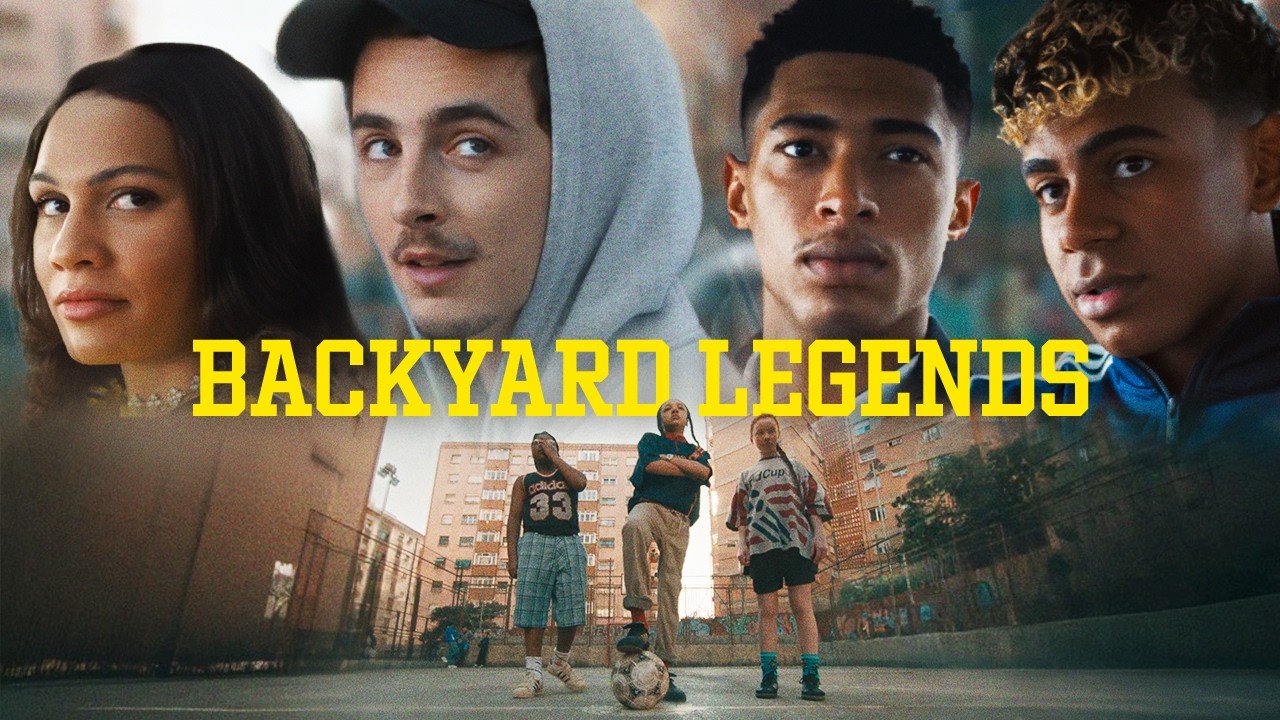
In the lead-up to the Club World Cup, the brand that has unquestionably stolen the spotlight is Adidas with its Backyard Legends. Five minutes of pure entertainment that bring back the aesthetic of the iconic football campaigns of the late 1990s. The film is a clear homage to the world of FIFA Street, EA Sports’ legendary title, bringing together some of the most influential figures in sports and popular culture: from Lionel Messi to Bad Bunny, alongside Lamine Yamal, Jude Bellingham, Trinity Rodman, and Timothée Chalamet.

The icing on the cake? Digitally recreated younger versions of Zinedine Zidane, David Beckham, and Alessandro Del Piero. Let’s be honest: it struck a chord with all of us.

Credits © adidas: Backyard Legends | The Greatest Football Story Ever Told

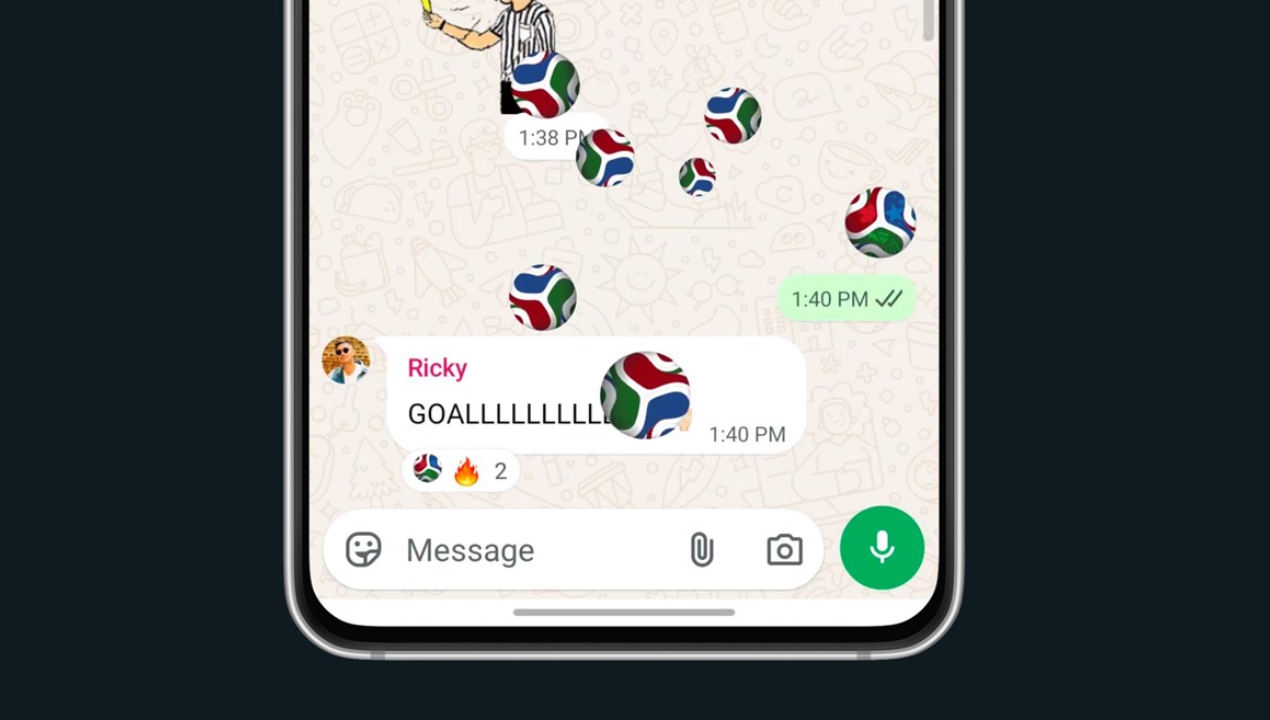
If you’ve noticed something unusual in your five-a-side football WhatsApp group, chances are it’s once again Adidas’ “fault.” Through a collaboration between the two brands, the classic black-and-white soccer ball emoji has received a surprise makeover. When sent, it transforms into the Trionda, the tournament’s official match ball, complete with a special animation.

It’s a brilliant way of inserting the brand into users’ conversations without feeling intrusive, while making us fall in love with the ball the same way we did with the Brazuca back in 2014. Impossible is nothing, quite literally.

Credits © adidas news

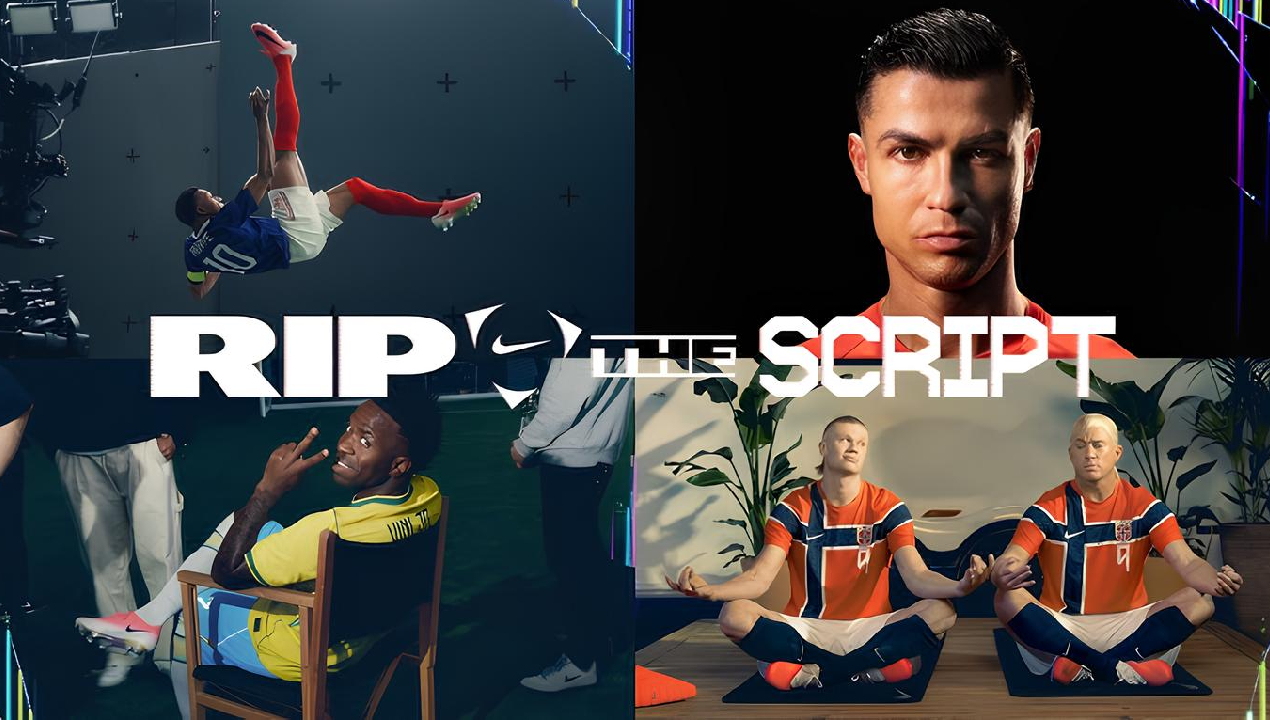
But if this was a spectacular goal for Adidas, the move from its biggest rival, Nike, with Rip the script, ultimately turned out to be a weak shot comfortably saved by the goalkeeper.

Once again, there was a clear attempt to play the nostalgia card, drawing heavily on the aesthetic of iconic campaigns such as Airport, Olè e Joga Bonito – commercials that, more than twenty years later, we still look back on with great affection.

The result, however? In our view, the comparison with the past simply doesn’t hold up. If anything, it only reminds us of how untouchable those classic ads really were.

One notable drawback: the use of athletes wearing unofficial kits to work around conflicts with competing technical sponsors.

Credits © Nike: Rip The Script | Nike Football

Everyone's Chasing the Trophy, but the GOATs Are Chasing LEGO Too

Imagine bringing together Lionel Messi, Cristiano Ronaldo, Kylian Mbappé, and Vinícius Júnior around the same table, working side by side to complete LEGO’s new FIFA World Cup Trophy set. That is the ambitious global campaign launched by LEGO, built around a crystal-clear tagline:  Everyone wants a piece .


Visualizza questo post su Instagram


Un post condiviso da LEGO (@lego)

It wasn’t long, however, before an intriguing behind-the-scenes detail emerged online – one that says a lot about the times we live in. The four superstars were never actually seated together. Each player filmed their scenes separately, with body doubles standing in when needed, and the final illusion of them sharing the same room was created entirely in post-production.

The revelation quickly sparked a social media trend, with users generating humorous AI-powered “behind-the-scenes” videos that imagined the players interacting in increasingly absurd and surreal situations.

The sheer impact of seeing figures of this stature occupy the same visual space immediately brings to mind Louis Vuitton‘s legendary Core Values campaigns. It’s a remarkably powerful visual and narrative device, previously used with Nadal and Federer (2024), Messi and Cristiano Ronaldo facing off over a chessboard (2022), and the iconic trio of Pelé, Maradona and Zidane (2010).

In reality, the campaign had already been foreshadowed back in January through a nostalgia-driven prequel, in which LEGO reunited Roberto Carlos, Cafu, Iker Casillas, Sami Khedira, and Marco Materazzi under the tagline Everyone Wants a Piece of the Cup.


Visualizza questo post su Instagram


Un post condiviso da LEGO (@lego)

That’s what makes the idea so effective: it turns one of football’s greatest prizes into something universally relatable, reminding us that even the biggest icons can get caught up in the simple joy of building.

But why does it work so well? In our view, because it humanizes these legends while turning their competitive instinct on its head. Instead of fighting for goals, records, or trophies, they’re elbowing each other for the last LEGO brick. Especially when that brick is the one that completes the World Cup Trophy.

Everyone wants the real trophy. And everyone wants LEGO bricks.

Telling the Story of the Fan's Mind and Heart

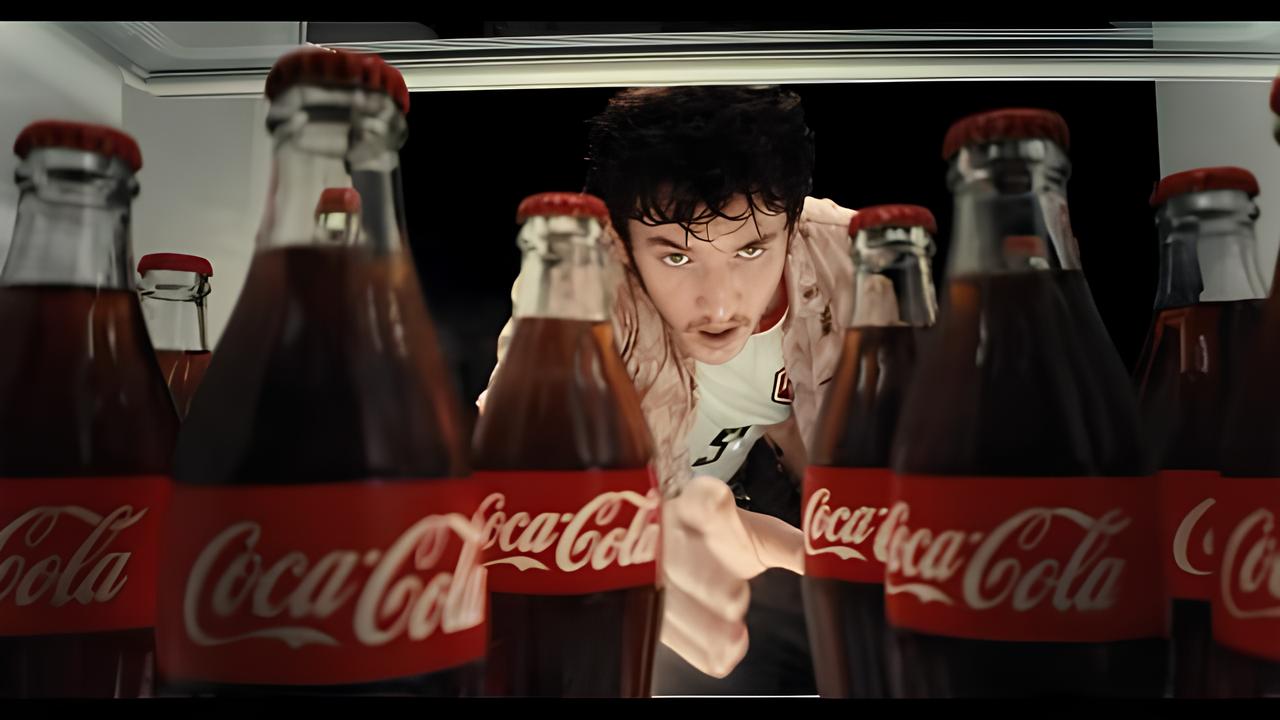
Through its No better feeling campaign, Coca-Cola captures the emotional roller coaster that every fan rides during the ninety minutes of a game.

The brand brings this visceral passion to life by focusing on one of the most nerve-racking rituals in modern football: the VAR review. The spot brilliantly recreates that moment of collective suspense – the breathless wait that seems to stop time itself – followed by the uncontrollable eruption of joy when the goal is finally confirmed. Of course, it all depends on which team you’re supporting.

In the film, global superstars and everyday fans stand side by side, united and made equal by their passion for the game. The message is simple: it doesn’t matter who you are or how many trophies you’ve won – football makes all of us anxious, hopeful, and ecstatic in exactly the same way.

The real masterstroke, however, lies in the narrative parallel with the product itself. That mounting tension finds its counterpart in the moment someone opens the fridge door. Discovering an ice-cold Coca-Cola instantly melts away the anxiety, becoming the emotional equivalent of seeing a goal confirmed.

If, as a football fan, the ad makes you smile in complete recognition, then Coca-Cola has definitely found the back of the net.

Credits © The Coca-Cola Company: Coca-Cola | No Better Feeling - FIFA World Cup 2026™

If Coca-Cola went straight for the heart, Coors Light found a brilliant way into the mind of every football fan.

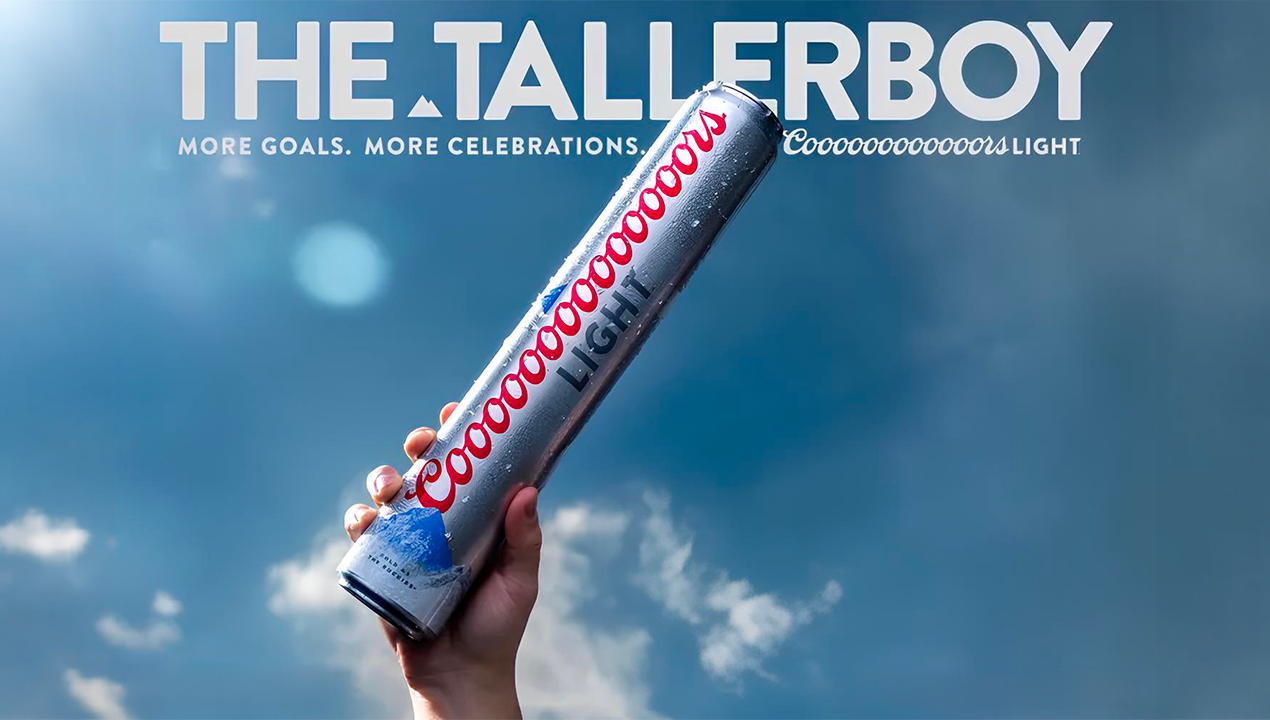
As supporters, we know how all-consuming football fever can become. It spills into everyday life, making us see tactics, patterns, and formations everywhere – even in the cracks on the ceiling. That very obsession lies at the heart of The Coooors Call.

The beer brand built the campaign around one of football’s most iconic sounds: the long, cathartic scream that accompanies a goal in South American commentary.

The insight is as simple as it is brilliant. All Coors Light had to do was look at its own product. Line up enough cans, and the logo visually stretches into an endless “Coooooors”. In the spot, the legendary cry of “Goooooool” is cleverly replaced by an extended version of the brand name, brought to life by the unmistakable voice of legendary Argentine commentator Andrés Cantor.

It’s the kind of idea every marketer secretly envies: clean, immediate, perfectly on-brand, and instantly understandable. The sort of campaign that leaves you with only one thought:

“I really wish I’d come up with that.”

Credits © Coors Light: The Coooors Call – More goals. More celebrations | Courtesy of Molson Coors

Hiding to Stand Out: Levi's Checkmates FIFA

During this opening week of the World Cup, the brand that has generated the most buzz is, paradoxically, one that was supposed to disappear from view altogether.

Levi’s is not among the tournament’s official sponsors. As a result, in compliance with FIFA’s notoriously strict commercial regulations, the company was required to cover its signage on the façade of Levi’s Stadium in Santa Clara, one of the venues hosting matches during the competition.

The genius lies in how it was done. Rather than concealing the brand completely, the white covering perfectly replicated the unmistakable silhouette of the Levi’s logo, making it instantly recognizable despite technically being hidden.

The company then extended the idea across its social channels, replacing its profile picture with the same “new” masked version of the logo.

In our view, this is one of the smartest communication plays of the entire tournament. A brand excluded from the official sponsorship roster, forced into hiding, that manages to generate even more attention by turning its own censorship into the campaign itself. Simply brilliant!


Visualizza questo post su Instagram


Un post condiviso da Levi’s (@levis)

TikTok x Panini: The Digital “Got It, Got It, Need It”

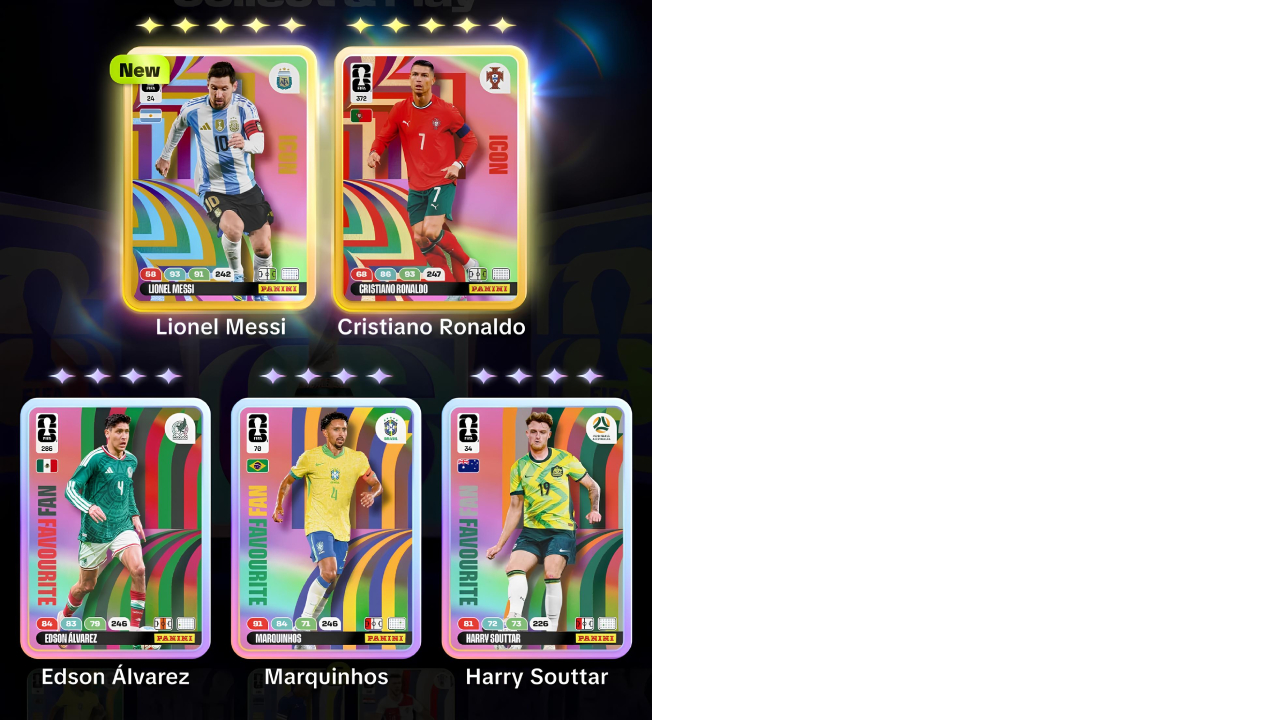
TikTok has partnered globally with Panini, FIFA’s exclusive sticker and trading card partner, to offer fans around the world a new digital collecting experience.

Within the app, a dedicated FIFA World Cup hub has introduced a gamification designed to bring football’s collecting culture into the smartphone era. Users can unlock, collect, and engage with digital content inspired by the traditional sticker album experience.

It’s an initiative that feels perfectly aligned with the times. And yet, at least for me, it occasionally feels a little hollow. Because no matter how sophisticated the digital format becomes, it struggles to recreate the magic of the physical ritual: the trip to the newsstand, the anticipation of opening a fresh packet, and the intense concentration required to place a sticker perfectly straight on the page.

Some experiences transcend technology. And for generations of football fans, the joy of collecting Panini stickers is one of them. A nostalgia that no digital version will ever fully replace.

Credits © Newsroom TikTok

But stickers aren’t the only story here. This World Cup also provides the perfect opportunity for TikTok to showcase how it is no longer “just” a social network, but is increasingly evolving into a fully-fledged search engine.

Simply searching for “World Cup” within the app unlocks a dedicated tournament hub, where users can access a wide range of information – including the official match schedule. It’s an approach that echoes experiments already seen in the United States, where certain searches surfaced integrated Wikipedia pages directly within the platform’s interface.

It’s a fascinating strategic move and further evidence of TikTok’s ambition to become an all-encompassing ecosystem. The goal is clear: to provide users with everything they need, exactly when they need it, reducing any reason to leave the app.

In other words, TikTok doesn’t just want to host the conversation – it wants to become the place where the conversation starts, where information is discovered, and where the entire fan experience unfolds. 🤯

Lay's: A Bitter Taste

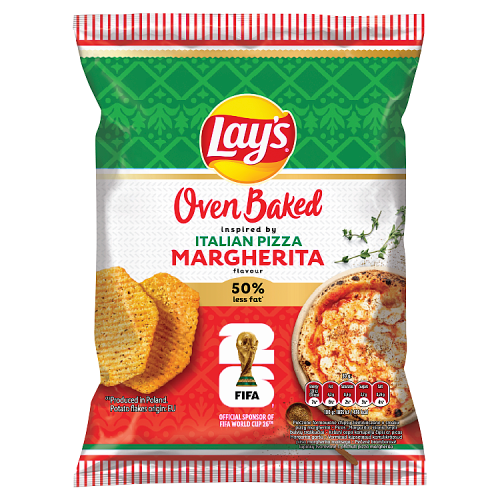
When it comes to product innovation, Lay’s – an official FIFA World Cup sponsor – has launched a global collection of 40 limited-edition flavors inspired by the nations competing in the tournament.

A great idea on paper. Except that among the international flavors, one in particular caught our attention: Italian Pizza Margherita. A clear and unmistakable culinary tribute to Italy. There’s just one small problem: Italy isn’t actually at the World Cup.

But the real marketing paradox comes with the distribution strategy. Rather than launching the flavor in Italy, Lay’s chose to make this particular edition exclusive to the Polish market.

Talk about adding insult to injury.

First, we’re left out of the tournament. Then we’re left out of the potato chips inspired by us. A marketing own goal worthy of the highlight reel.

Credits © Lay's: Oven Baked inspired by Italian Pizza Margherita

Hydration Break: Player Welfare or Commercial Opportunity?

We close this article with what is arguably the most controversial innovation of this World Cup: the hydration break.

A pause in each half, formally introduced to allow players to rehydrate, but now systematically enforced even when temperatures do not appear to justify it. The suspicion – now bordering on certainty – is that these interruptions were designed primarily to create additional high-value advertising slots.

A way of expanding commercial inventory, effectively turning the match into a television product increasingly modeled on the American Super Bowl format, further reinforced by the unprecedented half-time show scheduled for the July 19 final.

What truly ignited the debate was Fox Sports and the media controversy that unfolded during the opening match between Mexico and South Africa. When play resumed after the break, the U.S. broadcaster was still airing commercials, meaning viewers effectively missed the first moments back on the pitch.

The mandatory nature of this rule – far removed from the cooling breaks introduced in Brazil in 2014, which were only used under extreme weather conditions – has also frustrated industry insiders. The backlash has grown so strong that it has triggered a viral wave of criticism, including the creation of dedicated websites aimed at boycotting these interruptions altogether.


Visualizza questo post su Instagram


Un post condiviso da BBC SPORT (@bbcsport)

Final whistle

Looking back at this opening stretch of the World Cup, one conclusion seems hard to avoid: pushing intrusive practices too far inevitably risks alienating and frustrating the viewer. Forced interruptions break the rhythm of the game, turning advertising into an unwelcome disruption rather than a seamless part of the experience.

And yet, we’ve also seen how brands can still craft narratives powerful enough to move us, reminding us – sometimes quite forcefully – why football remains, at its core, the most beautiful sport in the world.

There is still a long month ahead, and undoubtedly many more campaigns to come. But for now, we can already sketch a provisional podium of the standout activations:

1) Levi’s
2) adidas
3) Coors light

The defining trend of this World Cup is already clear: brands are no longer simply trying to sell boots, shirts, or balls. They are selling an imaginary world.

And when a brand succeeds in doing that, it has already won its own personal World Cup.

Francesco Savo

Learn more

I’m Francesco Savo, an Account at superhumans. I manage client relationships and coordinate internal teams, supporting projects from the initial brief through to final execution. My role is to orchestrate workflows, connecting the brand’s needs with those of the agency, ensuring that each project stays on the right strategic and creative track.

You might also be interested in:

Conversational AI apps are becoming part of our daily lives not only because of what they can do, but because of how they speak to us. From ChatGPT to Claude, Perplexity, DeepSeek, Grok and Gemini, tone of voice is becoming a key factor in how people choose, trust and build relationships with AI assistants.

With generative AI, communication is no longer measured only by speed, but by credibility. People want to know when content is AI-generated, making transparency essential for brands. Today, the real differentiator is not simply using AI, but using it without compromising trust, authenticity, or the relationship with audiences.

The picture is clear. Most users are no longer posting; they’re watching, scrolling, consuming. Content production has consolidated into the hands of a smaller group of increasingly professional creators, while the broader user base has shifted into a passive role.

Every year, TikTok releases what looks like a simple creator ranking. It’s not. The Discover List includes 50 global creators across five categories: Educators, Foodies, Icons, Innovators, and Originators.