In 2026, do we choose apps based on how they speak?

by

4 min for reading

In 2026, do we choose apps based on how they speak?

Conversational AI apps are becoming part of our daily lives not only because of what they can do, but because of how they speak to us. From ChatGPT to Claude, Perplexity, DeepSeek, Grok and Gemini, tone of voice is becoming a key factor in how people choose, trust and build relationships with AI assistants.

Why tone of voice matters in conversational AI

For decades, we thought a search engine was just a search engine. Or that an encyclopedia was an encyclopedia.

With conversational AI, however, form matters almost as much as content. And the way these apps express themselves becomes crucial in our decision to choose them. After all, this happens with any brand; when performance is equal, or almost equal, something else comes into play and starts to matter: the relationship they manage to create.

How people really use AI in everyday life

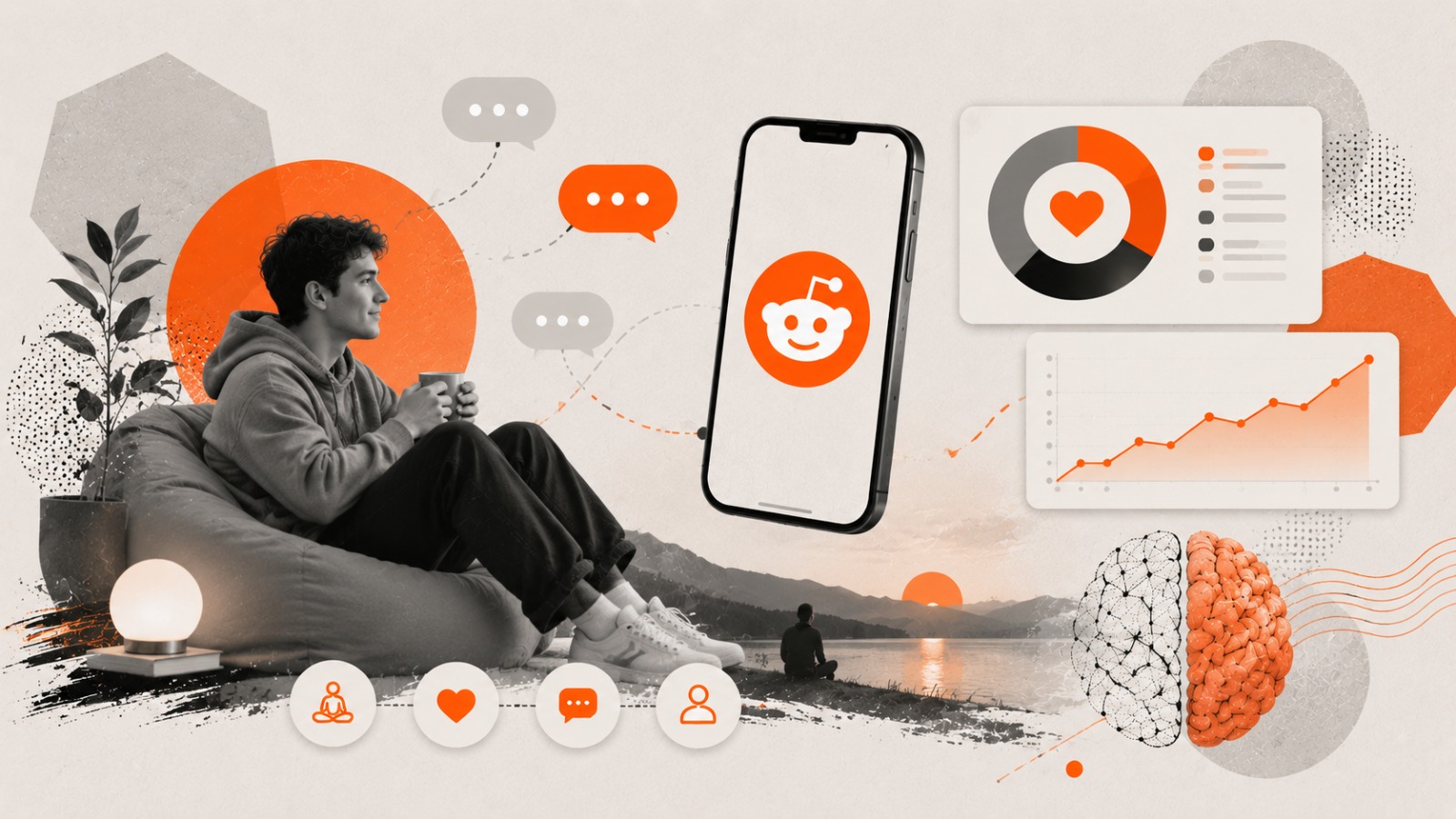
A recent study by Harvard University shows us how people actually use them in everyday life. For the third year in a row, the number one use of AI is not work, but personal support.

The most widespread category is in fact “Therapy and Companionship”: people talking to AI to process emotions, reflect on personal problems, receive comfort, companionship or simply feel listened to.

If in 2023 AI was mainly seen as a cold tool for writing emails or generating texts, in 2026 it is increasingly used as a sort of permanent interlocutor, carrying a not insignificant emotional weight.

From this point of view, not only the content becomes extremely important, but also the tone with which these apps relate to users. Tone of voice, which has always been one of the pillars for building effective communication, also becomes fundamental in the case of conversational AI.

ChatGPT and Claude: the warm assistant vs the reflective editor

ChatGPT, by far the most widely used conversational AI app, speaks our language. It addresses us with the language we want it to use. Yes, others can do this too if needed, but ChatGPT is warmer and friendlier. It makes mistakes with nonchalance, then apologizes; it is a smooth operator in a way that is almost too obvious. Precisely because of these tonal reasons, many people love it, while others cannot stand it. Leaving aside political issues and team loyalties, it is the most human app, and in some ways the one most similar to us, precisely because of its tone.

Claude by Anthropic has a reflective, measured and often very articulate tone. It has become the most “cult” one, both for its ethical approach and for its behavior and way of expressing itself. While many chatbots tend to provide immediate and assertive answers, Claude has shown itself from the beginning to be more cautious and argumentative, becoming the most loved among people who work with ideas, texts and analysis. It is used to reasoning through nuances, considering different points of view; in short, it immediately feels like something more serious and reliable. It often gives you the impression of talking to an editor, an essayist or a researcher.

Perplexity and DeepSeek: facts, efficiency and less conversation

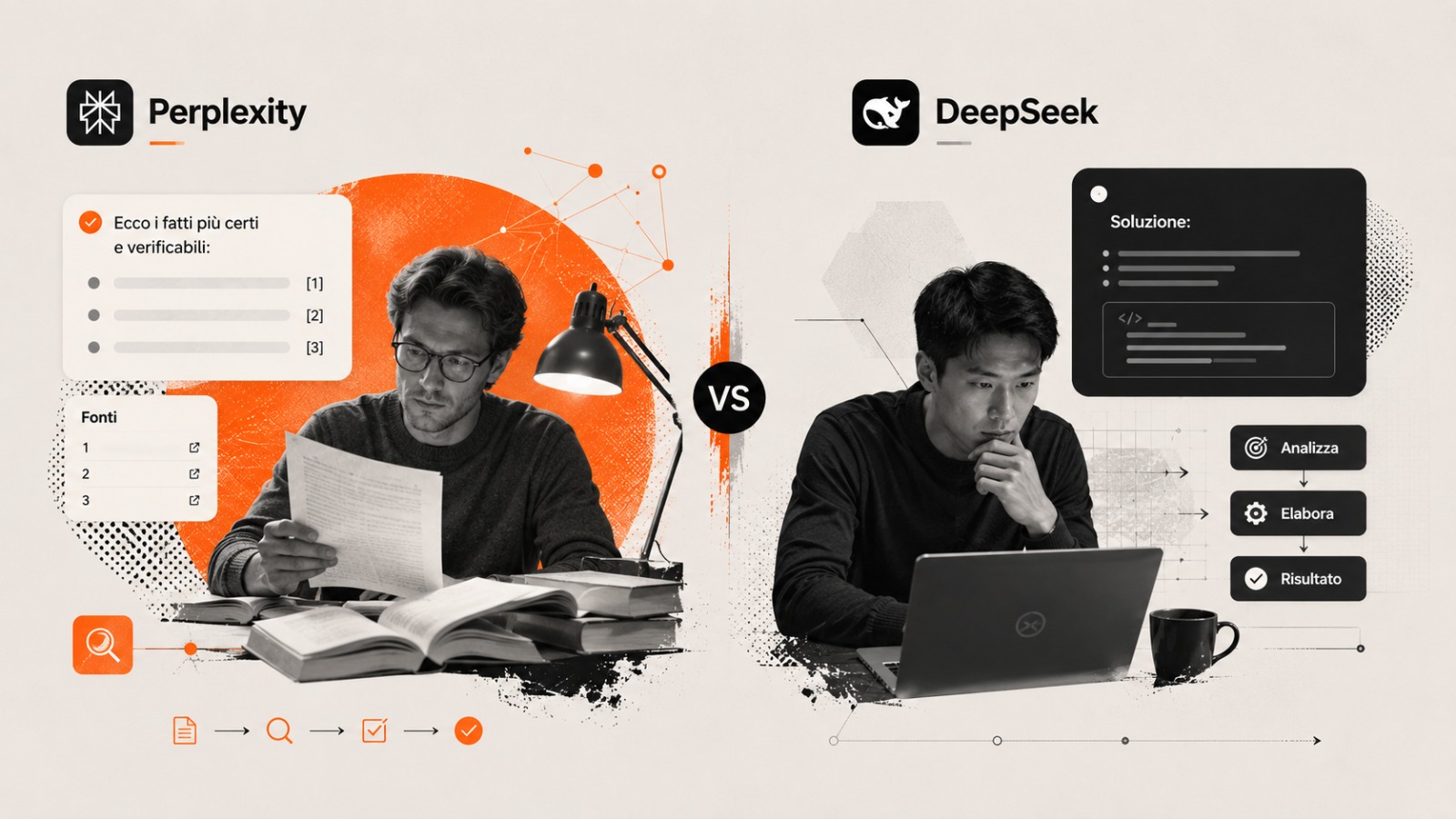
Perplexity has a pragmatic and journalistic tone. It does not ask you “how can I help you?” but “what are the most certain and verifiable facts I can lay out?”. It gets straight to the point, cites sources repeatedly and favors fact-checking over conversation. It feels like a researcher who has already done the documentation work for us.

If you want to have a bit of conversation with an app, forget DeepSeek: its tone is, in some ways, cold and boring. Much more technical, direct and solution-oriented, the kind of thing that works better in the areas of the planet where it is booming and where it comes from, the Far East. In fact, it minimizes pleasantries and aims for argumentative efficiency. You often feel like you are talking to an engineer or an analyst, who, however, gets it right. It entertains you less, but it solves.

Grok and Gemini: personality, provocation and structured information

Grok’s tone somehow resembles that of its controversial founder: Elon Musk. More informal, ironic and provocative. It often tries to be brilliant or funny, but that does not necessarily mean it succeeds. Sometimes, when dealing with more serious topics, it would be appropriate to take a step back. But Grok is not that type. It is the one that most openly tries to build an unconventional personality, and not by chance it is quite popular among younger users, even though its market share, almost entirely American, is around 2.8%.

Finally, Gemini. Its tone is halfway between a well-structured encyclopedia and its mother, Google: excellent for organizing information, classifying, categorizing and building overviews. Its answers often seem designed to help you orient yourself within a topic more than to accompany you through reasoning or entertain you. We could define it as somewhat impersonal, mechanical, without a clearly defined tone or identity.

AI tone of voice: personality or illusion?

But that would mean forgetting that these are apps, and that we cannot ask them to be human unless we lie to ourselves.

In the end, impersonality is not their limit, but their nature.

Francesco Taddeucci

Learn more

Founder e Creative Partner di SuperHumans, l’agenzia indipendente integrata che ha scelto il fattore umano come punto di partenza per ogni progetto. Tra scrittura, design e visione creativa, costruiamo percorsi di comunicazione capaci di dare identità alle idee, profondità ai brand e forma alle storie.

You might also be interested in:

With generative AI, communication is no longer measured only by speed, but by credibility. People want to know when content is AI-generated, making transparency essential for brands. Today, the real differentiator is not simply using AI, but using it without compromising trust, authenticity, or the relationship with audiences.

The picture is clear. Most users are no longer posting; they’re watching, scrolling, consuming. Content production has consolidated into the hands of a smaller group of increasingly professional creators, while the broader user base has shifted into a passive role.

Every year, TikTok releases what looks like a simple creator ranking. It’s not. The Discover List includes 50 global creators across five categories: Educators, Foodies, Icons, Innovators, and Originators.