Teleport to Topic
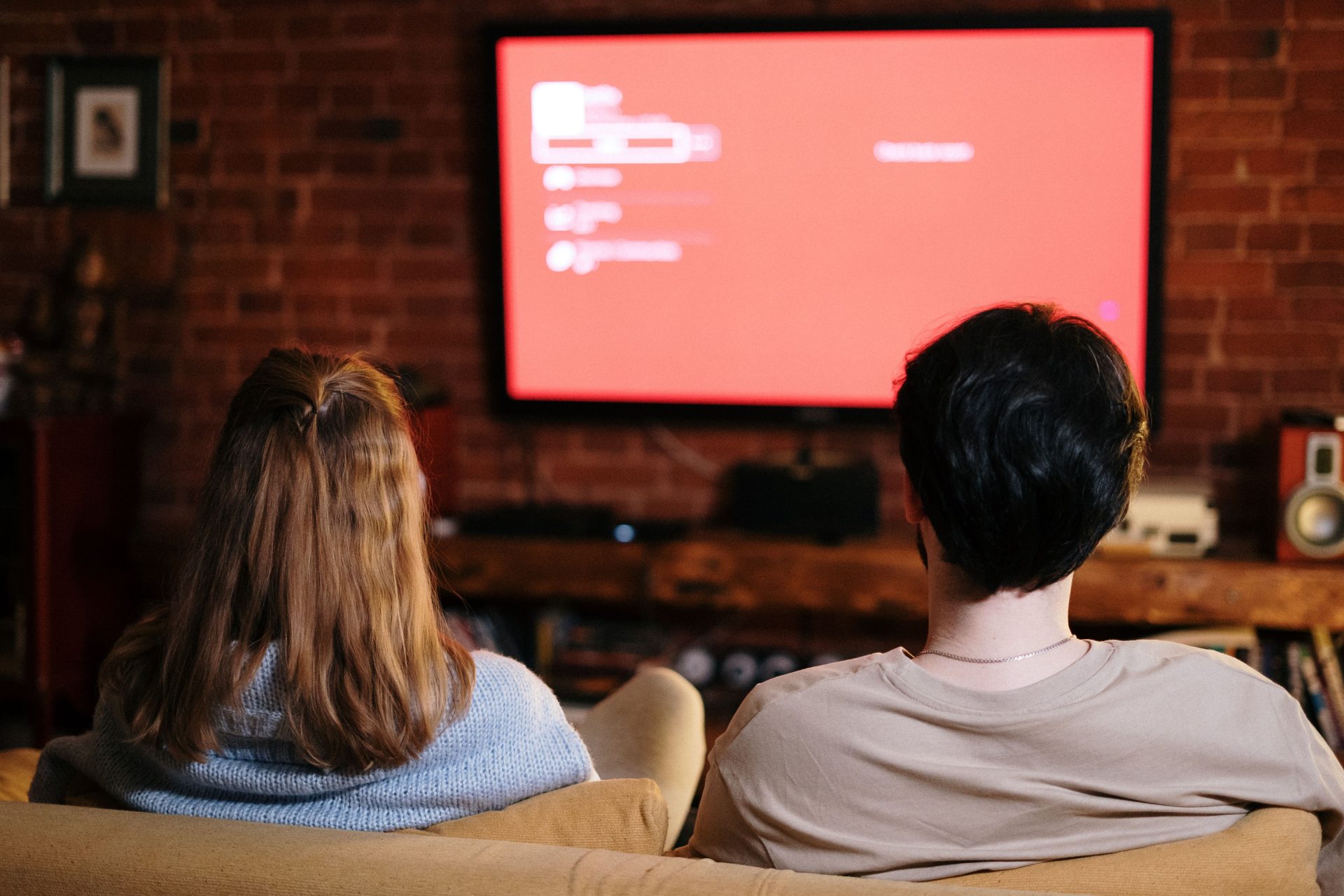
YouTube brings TV back to life
While the international trend is already clear, the way people watch content is changing rapidly in Italy too. Television is no longer just an appointment tied to traditional programming schedules, but an environment where TV channels, streaming platforms, online videos, and user-generated content coexist.
Smart TVs have become the new center of home entertainment: according to the 5th Auditel-Censis Report “La transizione digitale degli italiani” (2025), there are 22.5 million Smart TVs in Italian homes, more than traditional TVs, which total 21.6 million. The living room screen is no longer just the place for linear television, but a gateway to an ecosystem made up of series, films, creator videos, podcasts, and on-demand content.
YouTube also confirms this evolution: according to Google/YT, more and more users are watching the platform directly from their home TV, not just from smartphones or computers. Prime time is no longer the exclusive domain of TV channels: today, it increasingly also happens through content chosen directly by users.
Audiences are no longer simply waiting for what a programming schedule offers them. They want to decide for themselves what to watch, when to watch it, and who they want to be entertained or informed by. Digital formats and on-demand content are entering the living room and becoming part of everyday viewing habits.
In this scenario, YouTube is no longer just a video platform. It is increasingly taking on the role of a new kind of television: personalized and built around each viewer’s interests, passions, and choices.
The shift that is changing TV
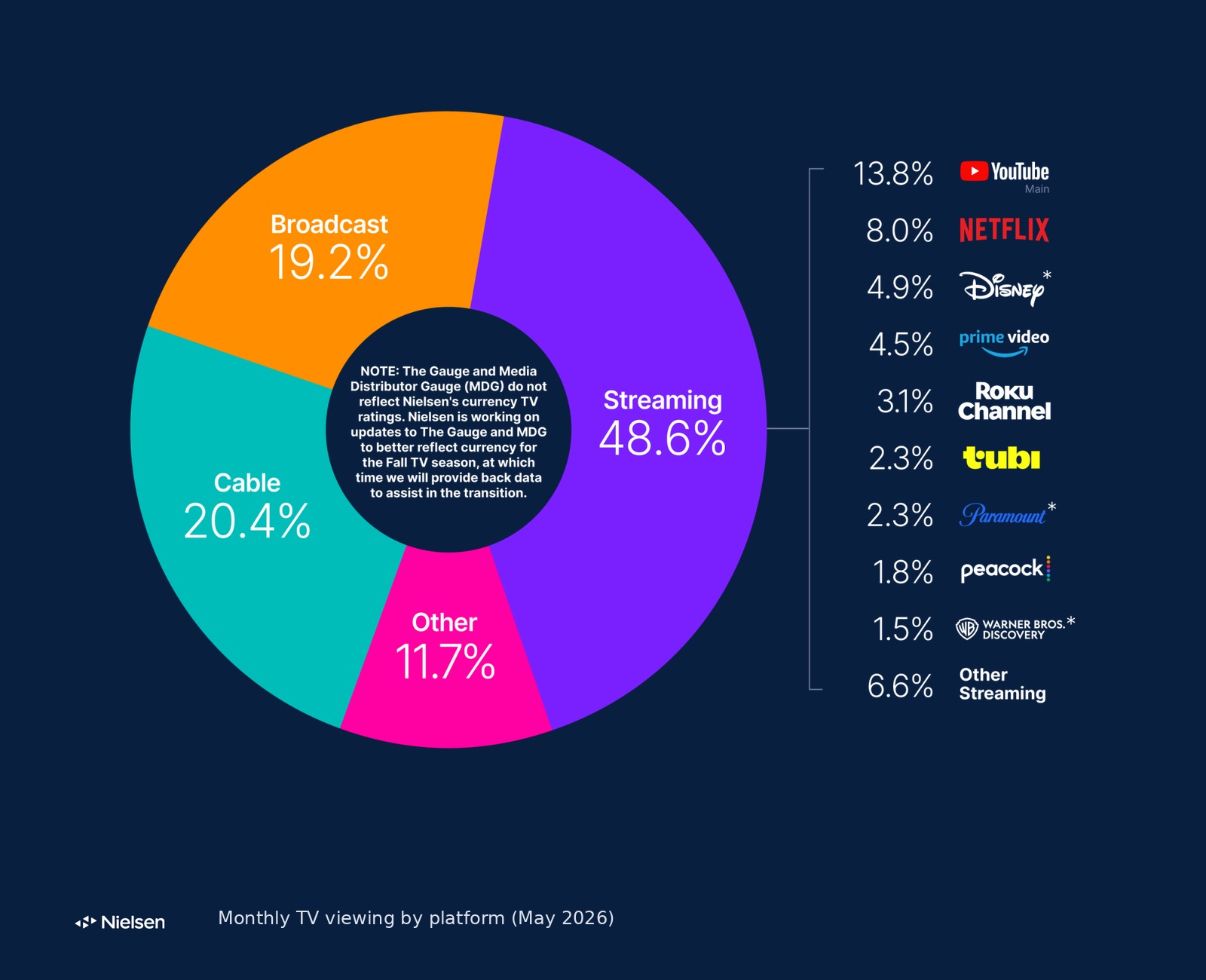
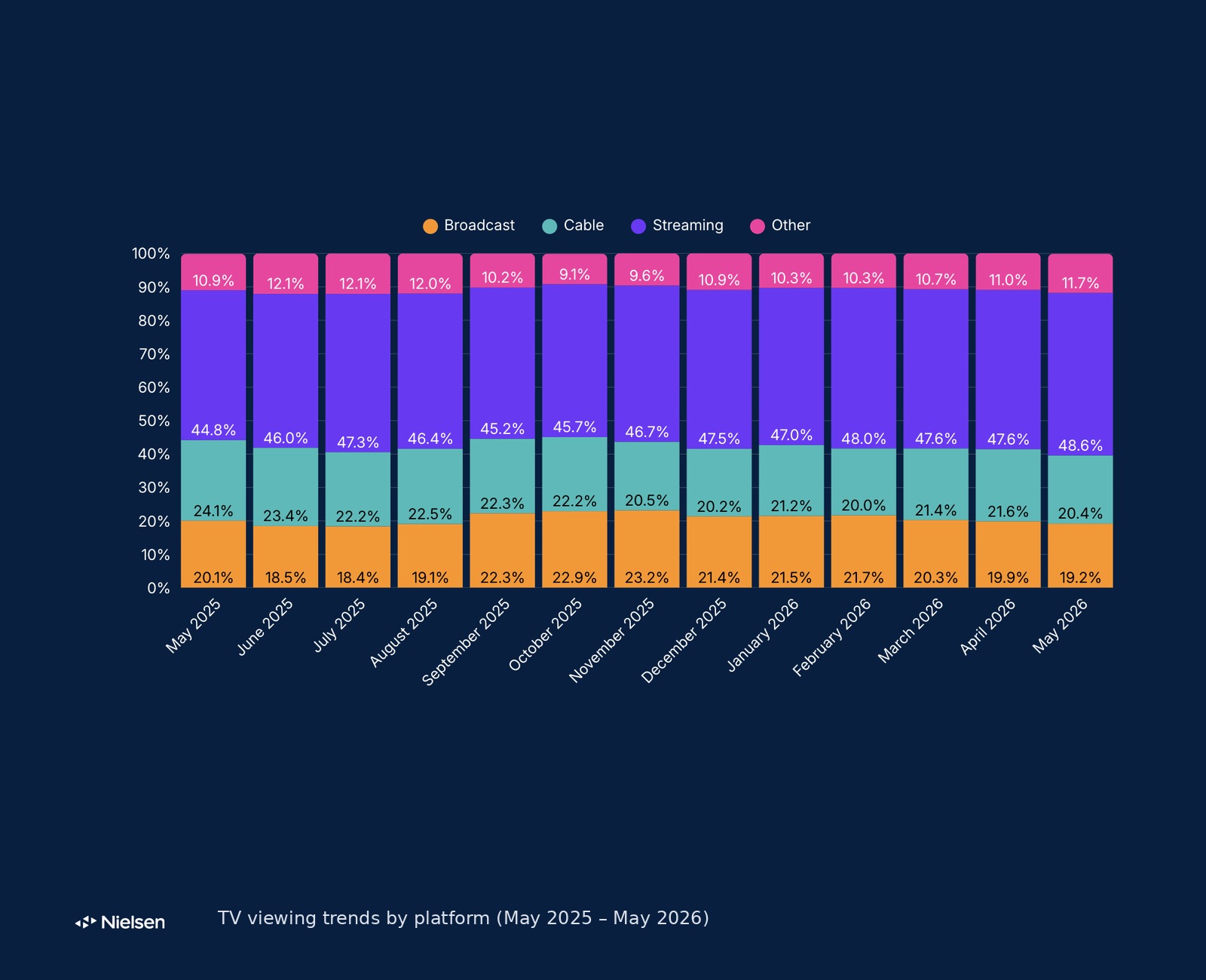
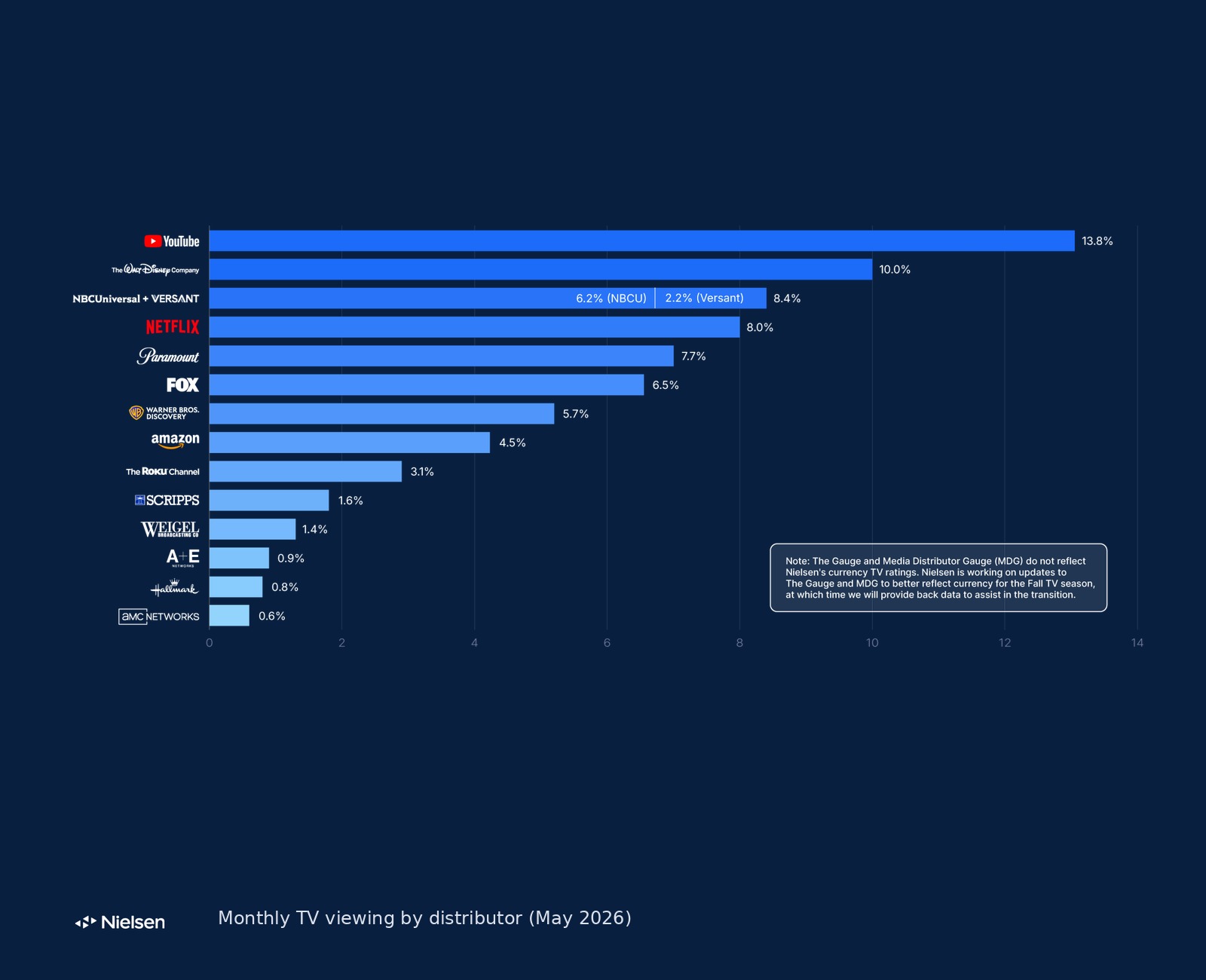
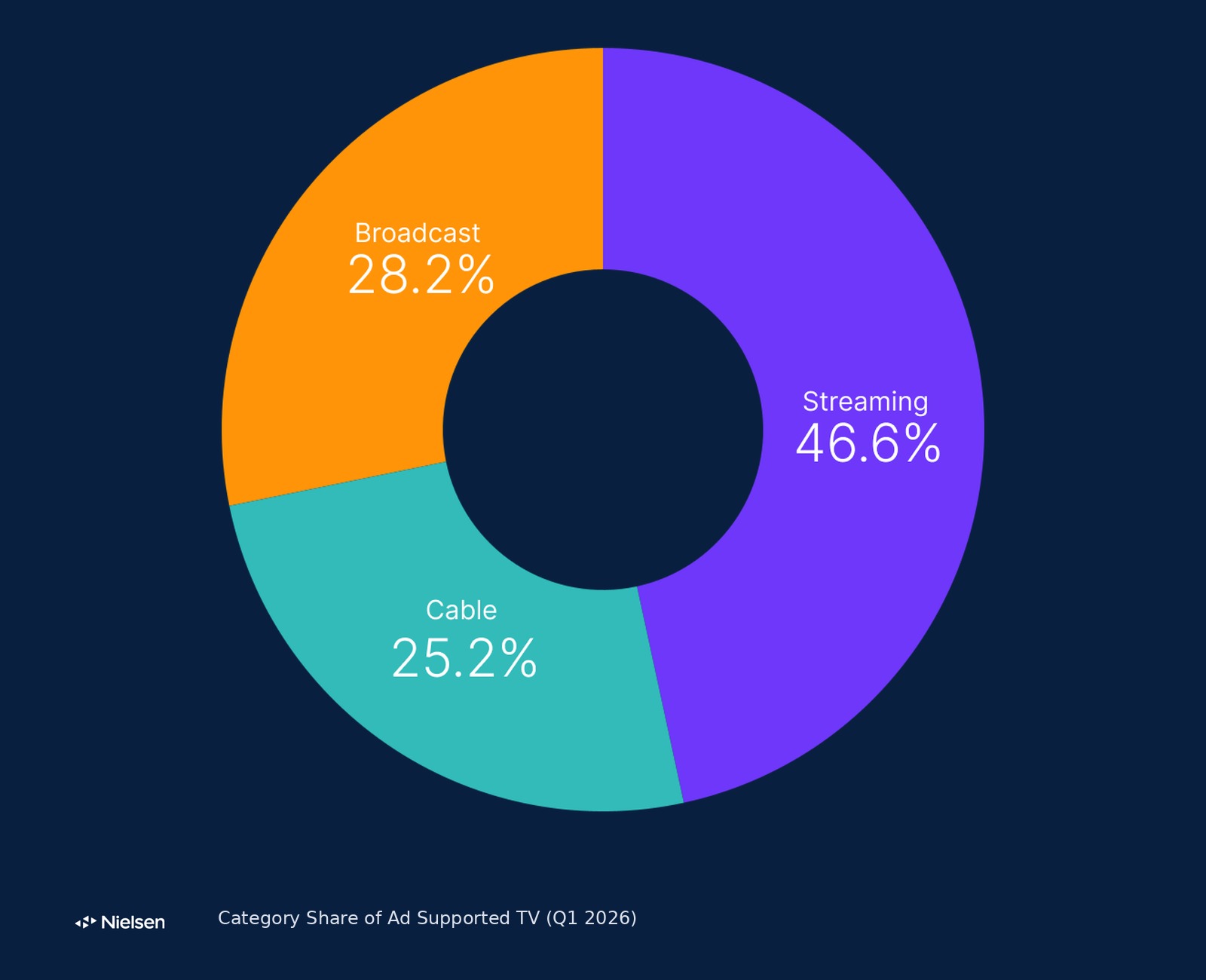
According to Nielsen, in the United States YouTube has overtaken Netflix in terms of time spent watching on TV: in July 2025, it accounted for 13.4% of total television viewing, compared to Netflix’s 8.8%. In 2026, the phenomenon has become even more consolidated: according to Nielsen’s The Gauge, streaming now represents 47.5% of total time spent watching TV in the United States.
Netflix continues to grow and, in December 2025, reached its all-time high with around 9% of total television viewing. However, YouTube maintains its leadership thanks to a different model: it does not rely on subscriptions, but on its ability to capture time and attention.
This is not a phenomenon limited to the United States. The same transformation is now happening globally. According to Digital i (2026), across 20 markets, users spend an average of 99.1 minutes per day on YouTube, compared to 93.4 minutes on Netflix. The decisive factor is the growth of viewing on the big screen: YouTube is no longer just a smartphone app, but content to be watched on the home TV.
This transformation is also changing advertising. For brands, YouTube is now a Connected TV platform that combines the power of traditional television with digital tools.
Drag
Italy is moving in the same direction
While the phenomenon is already well established in the rest of the world, Italy is moving in the same direction. Although there is still no public measurement that allows for a direct comparison between YouTube and Netflix on the TV screen, the available data clearly shows that change is underway. Digital platforms are gaining more and more space and reshaping the way users choose to stay informed, be entertained, and watch video content.
According to Auditel-Censis, Italians use 98.6 million connected devices, a sign that content consumption is increasingly distributed across TVs, smartphones, tablets, and computers. The spread of Smart TVs and the Total Audience measurement introduced by Auditel in 2022 point to a new reality:

Television is no longer defined by a single device or a single programming schedule. It has become an ecosystem where traditional channels, streaming platforms, and web-native content coexist.
YouTube also confirms this shift. On the occasion of the platform’s twentieth anniversary, CEO Neal Mohan stated that TV has become the primary device for watching YouTube, showing how the platform is increasingly becoming a living room experience, not just a mobile one.
The overall picture is therefore clear: in the United States, YouTube’s overtaking of Netflix is already confirmed by Nielsen data; in Italy, a direct comparison between the two platforms is still missing, but the growth of Smart TVs and the change in viewing habits show that the new digital television has already entered people’s homes.
The language is changing
This transformation is also changing the rules for those who create digital content.
Anyone producing video for the web can no longer think only about the smartphone screen. According to Google/YouTube data on the growth of Connected TV, viewing on the TV screen is now an increasingly important part of the digital experience.
This means rethinking format, length, image quality, audio, and narrative rhythm. Content watched from the sofa, on a large screen and perhaps together with other people, requires a different approach from quick smartphone consumption.
But the deeper shift also concerns the very concept of quality. For years, advertising pursued “craft” as a distinctive element: flawless productions, impeccable visuals, and an almost cinematic attention to form. Today, that model alone is no longer enough. The creative world is also changing direction, as shown by the work awarded in recent years, increasingly focused on strong ideas, authenticity, culture, and the ability to build a real relationship with people.
The challenge, then, is not to imitate traditional television, nor to chase artificial perfection. YouTube’s value remains rooted in its authenticity: creators, communities, and spontaneous languages need to adapt to a more immersive viewing experience without losing the naturalness that has made the platform unique.
This change does not only involve those who create content, but also the platforms themselves. In recent months, streaming platforms have also started signing deals with some of the biggest digital creators, bringing their content into their own catalogues. It is a sign that Pay TV players are beginning to recognize the value of the communities built by creators and their role in capturing audience attention.
The same evolution also applies to advertising. If YouTube is becoming increasingly television-like while still retaining the precision and data capabilities of digital, brands and agencies will also be called upon to rethink their strategies. For years, YouTube was considered a complement to TV planning; today, with the growth of Connected TV, it is increasingly becoming one of the central channels for building integrated campaigns that combine the power of the big screen with the opportunities of digital.
Advertising’s next big challenge
The advertising market will also be called upon to change. If social media and the creator economy have pushed brands to communicate through more authentic and less constructed content, the way this content is distributed is now changing too. For years, television was considered the ultimate medium for major campaigns, while YouTube was often included as an extension of the media plan. Today, however, the data points to a different scenario: Connected TV and YouTube viewing on the big screen are becoming an increasingly central component of communication strategies.
In the coming years, the challenge will not only be creative, but also strategic. Brands and agencies will need to rethink the way they plan campaigns, considering YouTube and Connected TV not as complementary channels, but as central elements of integrated communication. Agencies will play a key role in guiding this shift, helping companies understand how to make the most of these new touchpoints.
One question remains: if the way people watch content is changing so rapidly, will the way we advertise change too? The possibility of combining the power of video, the interactivity of digital, and the precision of data could represent one of the most important evolutions in communication in recent years.
Luana Tiano
Learn moreI’ve been an Account for about ten years, but I try to be one only when I’m at the office. In life, I do my best not to turn every conversation into a brief and not to answer “it depends on the budget” every time. I don’t always succeed: timings, reminders, and calendars are my weakness. So much so that I end up sending them to myself too.
You might also be interested in:
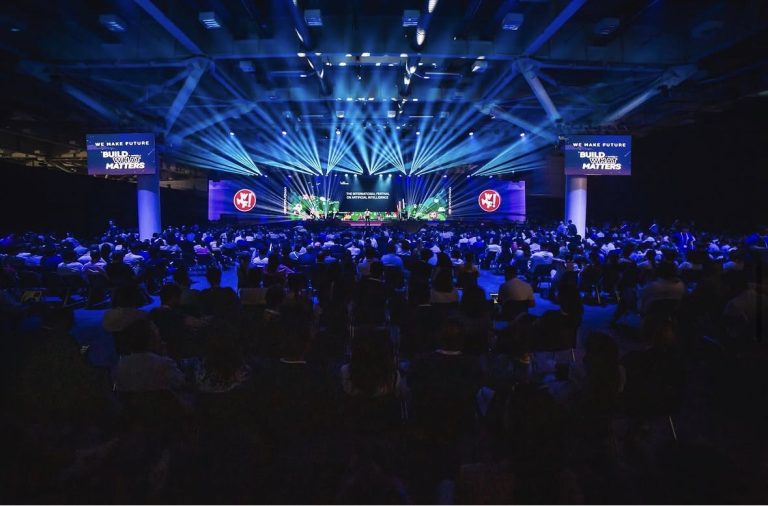
A clear realization emerges from WMF 2026: the future of AI isn't just about the speed with which we produce, but the quality of the choices we make. From augmented strategy, GEO, social commerce, and new cultural tensions, the story explores how artificial intelligence is already transforming the way brands, people, and agencies build value, visibility, and meaning.
Viral diagnoses show how social media turns personal experiences into content people can recognize themselves in. For brands, the lesson is clear: it is not enough to join conversations; they need to choose which ones to engage with, building trust without giving up complexity.
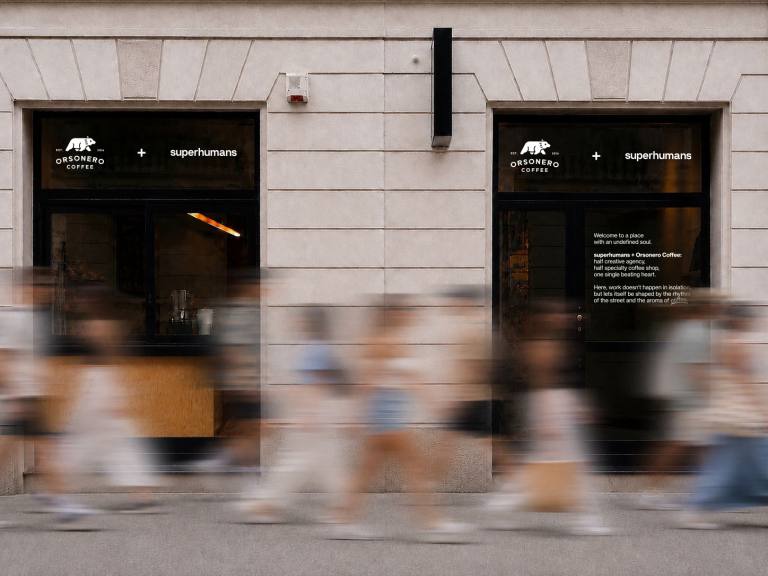
In via Paolo Lomazzo 20 a Milano nasce Superhumans Milan Hub, realizzato insieme a Orsonero Coffee: un luogo in cui agenzia, città, community e lifestyle condividono lo stesso spazio.
Why has fashion stopped surprising us? Not because of AI, but because of a system that prioritizes quarterly results and creative safety over bold ideas. Through the stories of Coperni, Gucci, and the rise of quiet luxury, this article explores how risk and vision have gradually been replaced by communication overload and the pursuit of predictability.